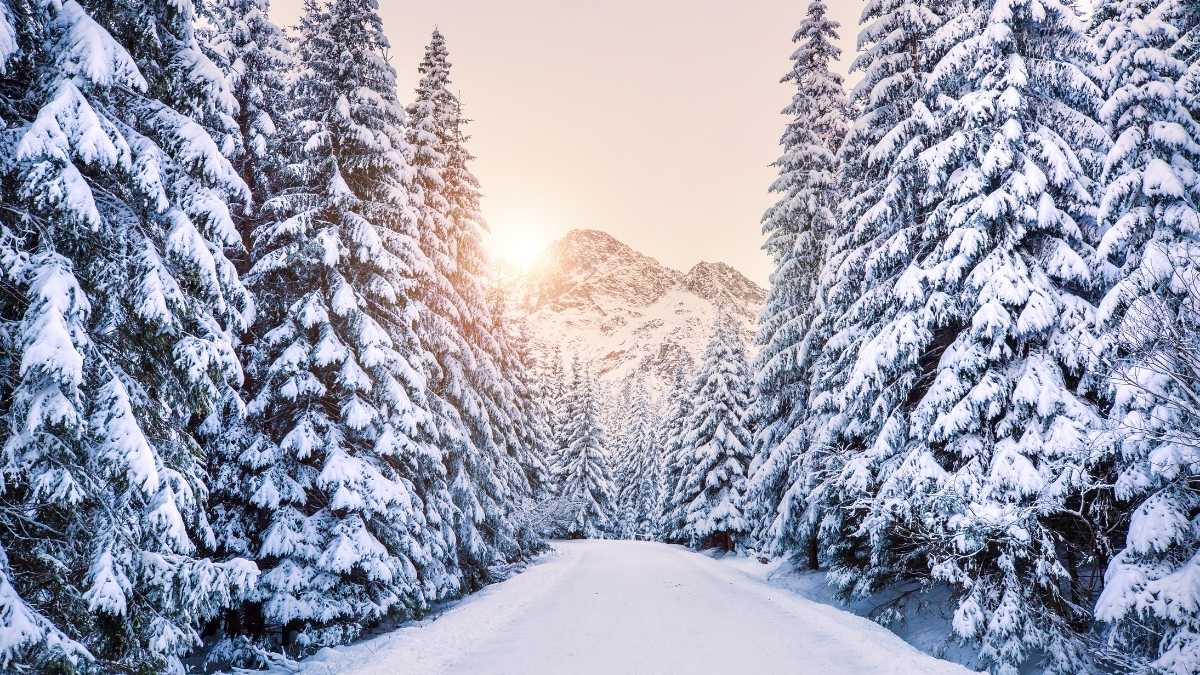
Winter in Damascus regularly brings night temperatures close to 0°C, with cold waves pushing readings below freezing, especially from December through February. Snowfall is not rare in the Syrian capital, particularly when strong Mediterranean systems combine with polar air masses moving across the Levant.
In elevated neighborhoods around Mount Qasioun and the western suburbs, snow accumulation can disrupt roads, schools, and power supply within hours.
Cold Patterns That Bring Snow to Damascus
Winter in Damascus is shaped by eastern Mediterranean low pressure systems. When these systems pull in cold continental air from Turkey and Eastern Europe, snowfall becomes likely.
Key weather triggers include:
- Deep Mediterranean depressions tracking across Cyprus
• Northerly or northwesterly cold air advection
• Clear night skies causing sharp temperature drops
• Surface temperatures between -2°C and 4°C during precipitation
Locally, residents refer to the harshest cold spells as azmet bard, meaning severe cold crisis, when frost and ice persist for several days.
Typical Winter Temperature Range in Damascus
During an average winter:
- Daytime highs range between 8°C and 15°C
• Nighttime lows drop to 0°C to 4°C
• During strong cold waves, temperatures can fall to -3°C or lower
• Snowfall is most likely when temperatures hover between 0°C and 3°C
Wind chill can make it feel several degrees colder, especially during overnight northerly winds.
How Snow Impacts Daily Life in Damascus
Snowfall in Damascus can quickly paralyze traffic, particularly on sloped roads and highways connecting to rural Damascus. Public transportation slows, and some markets close temporarily.
Common winter challenges include:
- Icy roads around Mount Qasioun
• Power outages due to overloaded grids
• Water pipe freezing in older neighborhoods
• Increased demand for heating fuelMany homes rely on diesel heaters or wood burning stoves, making fuel availability a key winter concern.Preparing Your Home for Freezing Temperatures
Preparing for winter in Damascus requires practical steps rather than assumptions.
Before temperatures drop:
- Insulate water pipes to prevent freezing
• Seal window gaps to reduce heat loss
• Stock heating fuel early before peak demand
• Keep flashlights and backup batteries ready
Layered clothing is essential indoors as well, since many buildings lack central heating.
Driving Safety During Snow in Damascus
Snow and black ice create hazardous driving conditions within minutes.
Drivers should:
- Avoid sudden braking on icy roads
• Maintain safe distance from other vehicles
• Check tire condition before winter
• Delay travel during heavy snowfall
Bridges and elevated roads freeze first, particularly during clear nights after precipitation.
Climate Context: Is Snow Becoming Less Frequent?
Long term data across the Levant shows winter variability increasing. Some seasons are drier and milder, while others bring intense but short lived cold waves.
Damascus still experiences measurable snowfall every few years, though accumulation varies significantly by elevation.
Final Word for Residents and Travelers
Winter in Damascus demands preparation, not panic. Cold waves can arrive quickly, especially after a Mediterranean low strengthens offshore.
- Insulate water pipes to prevent freezing