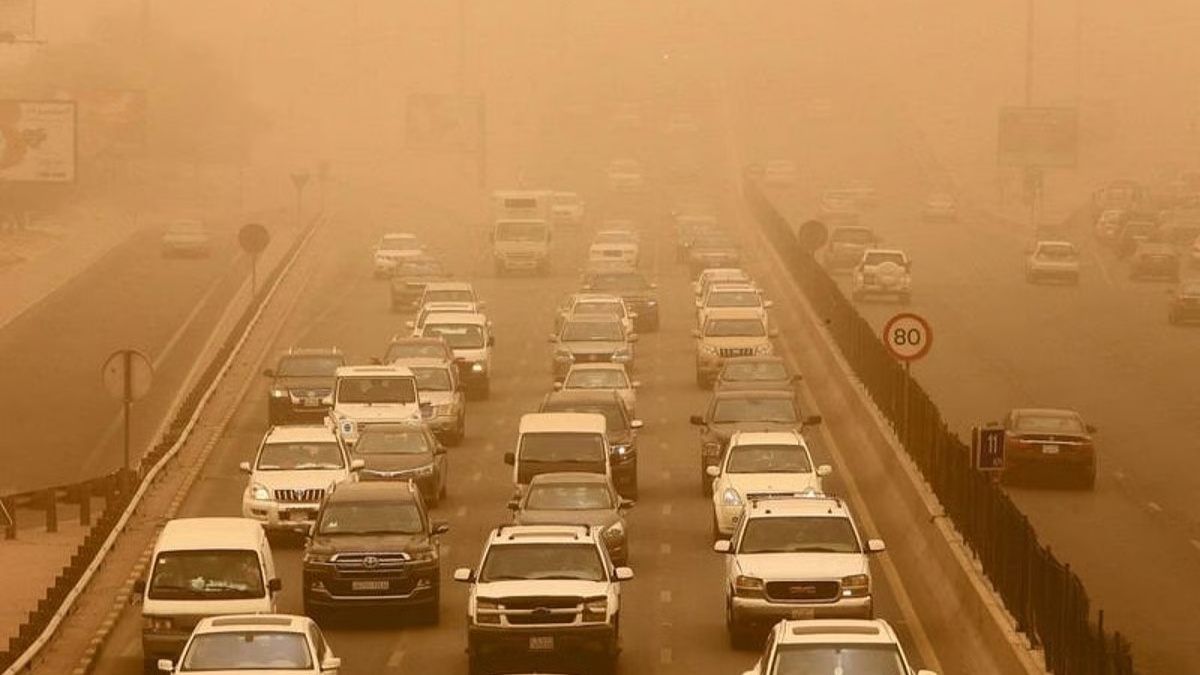
Kuwait regularly experiences intense dust storms known locally as “Toz.” These storms can reduce visibility to a few hundred meters, disrupt flights, close highways, and create serious health risks. Understanding why Kuwait faces such severe dust events is essential for residents and travelers across the northern Arabian Gulf.
What “Toz” Means in Kuwait
In Kuwait and parts of the Gulf, the term Toz refers to powerful dust storms driven by strong desert winds.
These storms carry fine sand and dust particles across cities, highways, and coastal areas. During major events, the sky often turns orange or brown while air quality drops rapidly.
Toz storms are most common during late spring and summer, when regional wind systems become stronger.
Geographic Reasons Behind Kuwait’s Dust Storms
Kuwait’s location makes it especially vulnerable to desert dust.
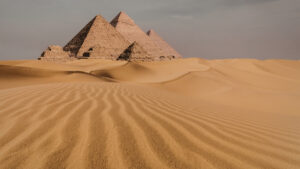
The country sits between several major dust source regions:
- The Iraqi deserts
- The Syrian Desert
- Northern Saudi Arabian deserts
- Dry river basins from the Tigris–Euphrates region
Loose, dry soil from these areas can easily be lifted into the atmosphere when strong winds develop.
Because Kuwait has very little vegetation to hold soil in place, dust moves freely across the landscape.
The Role of Shamal Winds
One of the biggest drivers of Kuwait’s Toz storms is the Shamal wind.
The Shamal is a strong northwesterly wind that blows across Iraq and the Arabian Gulf. When it intensifies, it lifts massive amounts of dust from desert surfaces and carries it south toward Kuwait.
Typical Shamal characteristics include:
- Wind speeds of 40–70 km/h
- Daytime temperatures between 38°C and 48°C in summer
- Extremely low humidity
- Visibility dropping below 500 meters
Some Shamal events can last several days, creating prolonged dust conditions.
Seasonal Timing of Dust Storms
Dust storms in Kuwait occur most often during two periods:
Late Spring (April – June)
During this period, atmospheric pressure differences between the Mediterranean and the Arabian Peninsula strengthen regional winds.
Summer (June – August)
Persistent Shamal winds dominate the weather pattern. The land surface becomes extremely dry, making dust storms more frequent.
Winter storms can also occur but are usually weaker and shorter.
Health and Environmental Risks
Toz storms affect daily life across Kuwait.
Fine dust particles can penetrate deep into the lungs, causing respiratory problems and worsening existing conditions such as asthma.
Common health effects include:
- Eye irritation
- Coughing and throat dryness
- Shortness of breath
- Allergic reactions
Dust storms also reduce road visibility, increasing the risk of traffic accidents.
How to Stay Safe During a Toz Dust Storm
When a dust storm approaches, preparation is essential.
Follow these safety tips:
- Stay indoors as much as possible
- Close windows and doors tightly
- Use air purifiers or air conditioning with filters
- Wear a mask or cloth covering when outside
- Avoid driving unless necessary
- Keep emergency supplies and water available
If visibility drops while driving, pull over safely and turn on hazard lights.
Final Safety Tip
Dust storms are a natural part of Kuwait’s desert climate, especially during strong Shamal wind events.