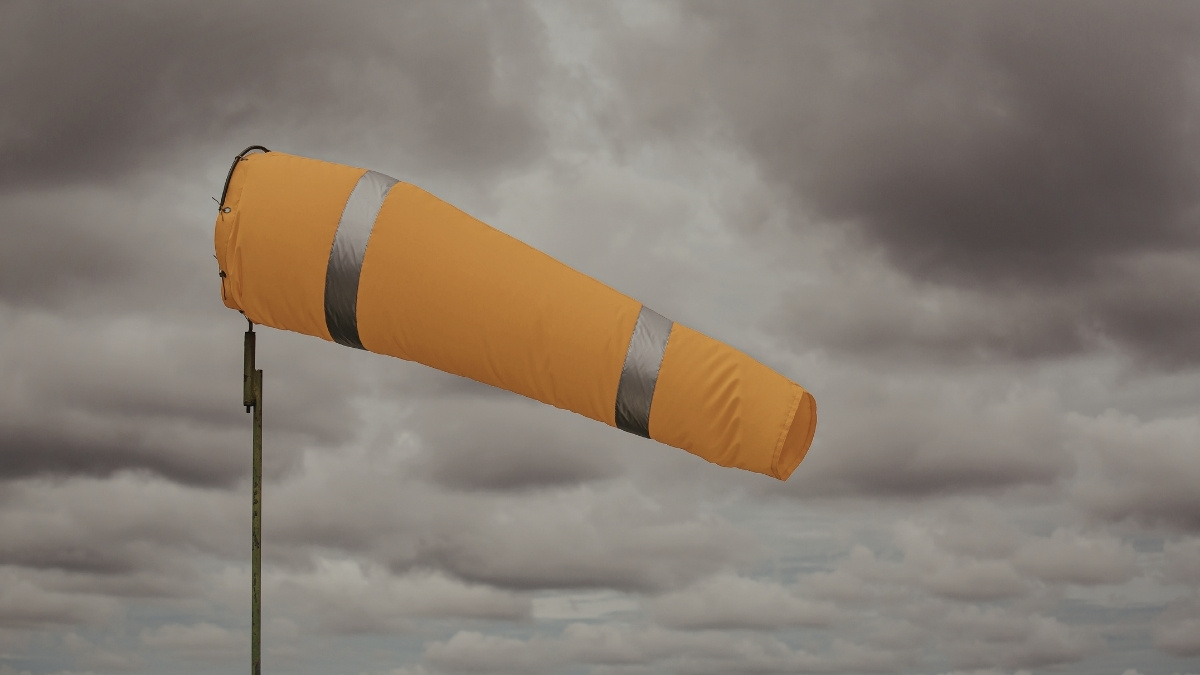
The Shamal winds are among the most influential weather systems affecting the UAE, particularly its maritime sector. These strong northwesterly winds typically develop after the passage of a low-pressure system over the Arabian Gulf, intensifying between late spring and mid-summer.
Wind speeds during a Shamal event commonly range between 30–50 km/h, with gusts exceeding 70 km/h. Sea conditions can deteriorate rapidly, with wave heights in the Arabian Gulf reaching 2 to 3 meters, occasionally higher offshore.
What Are Shamal Winds?
The term “Shamal” comes from Arabic, meaning “north.” In meteorology, it refers to dry, dusty northwesterly winds that affect Iraq, Kuwait, Saudi Arabia, and the UAE.
There are two main types:
-
Winter Shamal
: Associated with cold fronts, bringing cooler temperatures between 15–22°C.
-
Summer Shamal
: Driven by pressure gradients between the Indian monsoon low and high pressure over the eastern Mediterranean. Temperatures often exceed 40°C, amplifying heat stress.
Impact on the Arabian Gulf and UAE Waters
The UAE’s maritime activities are heavily concentrated along the Arabian Gulf coastline, including major ports such as Port of Jebel Ali and energy export terminals in Abu Dhabi.
During strong Shamal episodes:
- Sea swells increase significantly
- Visibility drops due to dust and suspended sand
- Smaller vessels face navigation risks
- Anchored boats may drag due to shifting currents
Fishermen and leisure craft operators are particularly vulnerable during peak Shamal days.
Effects on Key Maritime Operations
1. Commercial Shipping
Large container vessels calling at Port of Jebel Ali may experience:
- Delays in docking operations
- Increased tug assistance requirements
- Temporary suspension of loading/unloading
While modern ports are equipped to handle rough conditions, operational efficiency can decline during high-wind alerts.
-
Offshore Oil and Gas Platforms
Offshore facilities near Abu Dhabi and western UAE waters must monitor Shamal forecasts closely.
Risks include:
- Wave-induced structural stress
- Restricted crew transfers
- Helicopter operation delays
Energy operators often activate weather contingency protocols when wave heights exceed 2.5 meters.
-
Small Craft and Fishing Activities
Traditional dhows and small fishing boats are highly sensitive to Shamal wind bursts.
Common hazards:
- Capsizing in shallow waters
- Sudden wave direction shifts
- Engine strain due to headwinds
Authorities frequently issue marine advisories when wind speeds exceed 40 km/h.
Dust and Visibility Challenges
Beyond maritime turbulence, Shamal winds transport fine desert dust across the region.
At coastal areas such as Dubai and Sharjah:
- Horizontal visibility can fall below 1,000 meters
- Air quality index (AQI) levels spike
- Port radar operations become critical
Reduced visibility complicates navigation channels, especially in high-traffic shipping corridors.
Seasonal Timing and Forecast Monitoring
The most intense summer Shamal episodes typically occur between June and August, sometimes lasting 3 to 5 consecutive days.
Maritime authorities rely on:
- Satellite wind scatterometer data
- Surface pressure gradient analysis
- Wave model outputs from regional meteorological centers
Advanced warnings usually provide a 24–48 hour lead time, allowing operators to adjust schedules.
Economic and Operational Implications
Even short-term Shamal events can affect:
- Cargo turnaround times
- Coastal construction projects
- Recreational boating tourism
- Ferry and water taxi services
In peak summer, combined high temperatures (42–45°C) and strong winds create compounded operational stress.
Weather Advisory for UAE Maritime Stakeholders
Understanding the Shamal winds is essential for safe maritime planning in the UAE. Operators should:
- Monitor official marine bulletins daily
- Secure moorings before wind escalation
- Avoid non-essential offshore trips during alerts
- Equip vessels with updated communication systems
Shamal events are predictable but powerful. Proactive weather awareness remains the strongest defense against disruption in UAE waters.
For continuous marine weather insights across the Gulf region, stay connected with ArabForecast247 — your trusted source for climate intelligence in the MENA region.