What is Pluvial Flooding and Why It Matters
Pluvial flooding refers to surface water flooding caused by intense rainfall overwhelming urban drainage systems. Unlike river or coastal flooding, it can happen far from water bodies, often within minutes of heavy downpours.
In many Arab cities, this risk is increasing due to rapid urbanization, climate variability, and limited stormwater infrastructure.
Why Modern Arab Cities Are Vulnerable
Cities such as Dubai, Riyadh, and Cairo are particularly exposed due to a mix of environmental and urban factors.
Key vulnerabilities include
• Low annual rainfall but sudden intense storms
• High percentage of paved surfaces preventing water absorption
• Drainage systems not designed for extreme rainfall events
• Expansion into low-lying or poorly planned urban zones
Weather Patterns Behind Pluvial Flooding
Pluvial flooding in the MENA region is often linked to short-lived but intense weather systems.
Common triggers include
• Convective thunderstorms during transitional seasons
• Mediterranean low-pressure systems affecting North Africa
• Red Sea trough systems impacting the Arabian Peninsula
Rainfall intensity can exceed 20 to 50 mm within a few hours, which is significant in arid climates where monthly averages are often below 10 mm.
Case Examples from the Region
In Jeddah, sudden storms have caused severe street flooding despite relatively low annual rainfall.
In Doha, rapid urban growth has increased runoff during heavy showers.
In Algiers, Mediterranean storms bring intense rainfall leading to flash surface flooding.
These events highlight that even modern infrastructure can struggle under extreme weather bursts.
Temperature and Seasonal Context
Pluvial flooding often occurs during cooler months when atmospheric instability increases.
Typical conditions include
• Temperatures between 18°C and 28°C during storm events
• High humidity levels supporting cloud formation
• Sudden temperature drops during rainfall episodes
In Gulf cities, flooding is most common between November and March, while North African cities see higher risk from December to February.
Urban Impact and Risks
Pluvial flooding can disrupt daily life quickly and without warning.
Major impacts include
• Road closures and traffic paralysis
• Water entering homes, basements, and commercial areas
• Power outages due to infrastructure stress
• Increased accident risk due to low visibility and slippery roads
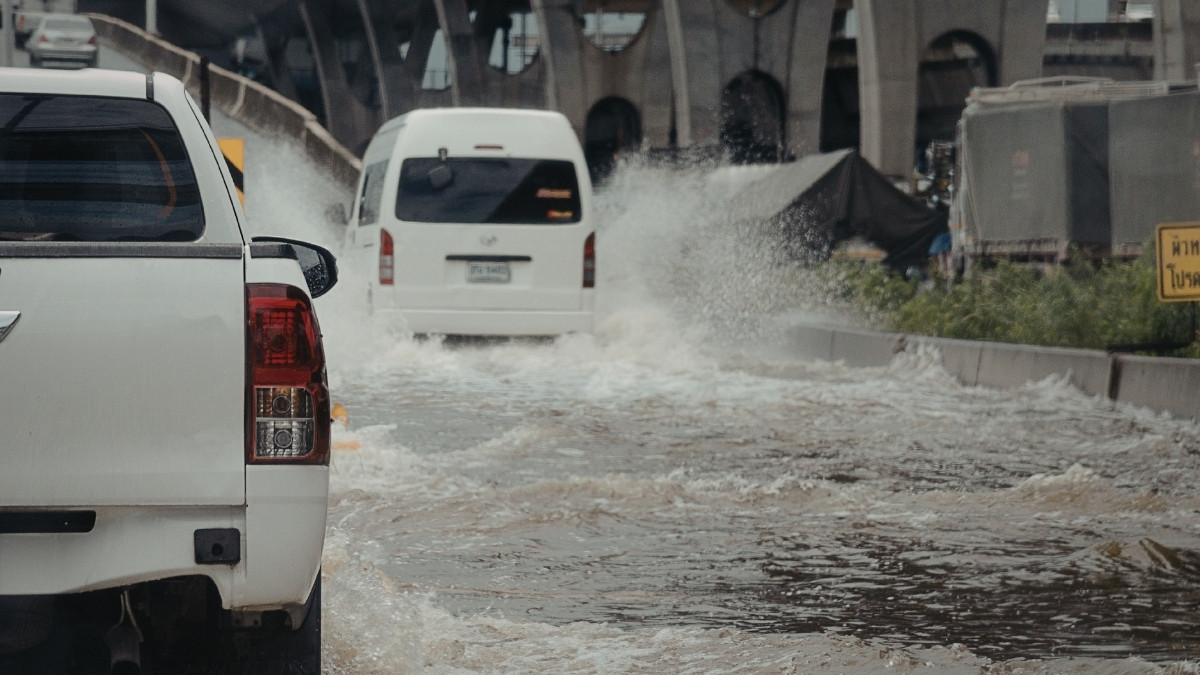
Even shallow water, less than 30 cm, can immobilize vehicles and pose safety risks.
How Cities Are Responding
Governments across the Arab world are investing in flood mitigation strategies.
Key measures include
• Expanding stormwater drainage networks
• Smart monitoring systems for rainfall and runoff
• Permeable surfaces in new urban developments
• Early warning systems linked to weather forecasts
Cities like Abu Dhabi are increasingly integrating climate resilience into urban planning.
Safety Tips During Pluvial Flooding
- Avoid driving through flooded streets, even if water يبدو shallow
• Stay updated with local weather alerts and warnings
• Keep emergency supplies ready during storm seasons
• Move to higher ground if water levels rise بسرعة