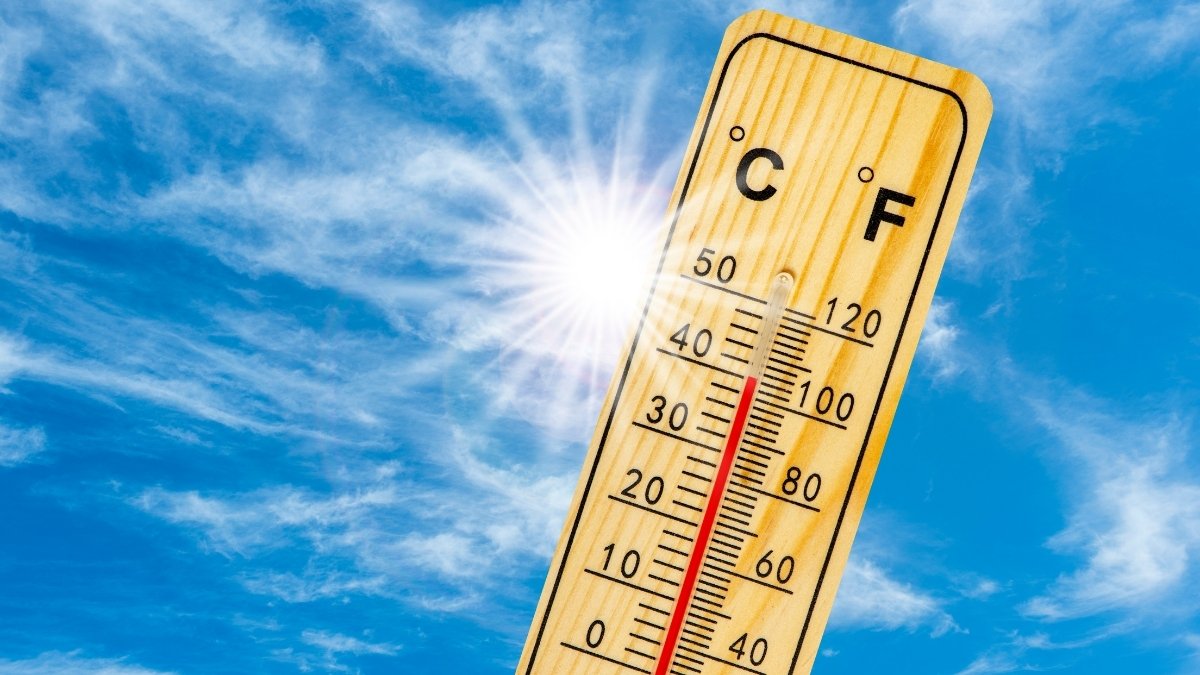
The UAE’s Ministry of Education (MoE), alongside regional authorities like KHDA and ADEK, enforces strict safety guidelines to protect students from the extreme Gulf climate. As of 2026, school protocols focus on the Heat Index (HI) a combination of air temperature and relative humidity rather than just the “mercury” reading.
Outdoor activities are typically restricted when the ambient temperature exceeds 35°C, but the real danger lies in the high humidity that characterizes the coastal regions of Dubai and Abu Dhabi.
Understanding the Heat Index Thresholds
UAE schools use a tiered matrix to determine when to move students indoors. These protocols apply to PE lessons, recess, and all extracurricular sports.
- Comfortable (<33°C HI): Outdoor activities proceed as normal with standard “no hat, no play” rules and accessible hydration.
- Extreme Caution (37°C – 39°C HI): Outdoor time is limited to 10–20 minutes. High-intensity sports like football or running are often suspended.
- Danger (40°C – 42°C HI): All outdoor play is suspended. Students remain in air-conditioned environments, and only essential transitions (like boarding school buses) are permitted.
- Extreme Danger (>43°C HI): Strict prohibition of all outdoor movement. Schools may also implement “Indoor PE” curriculum adjustments.
The Role of Humidity and “The Feels Like” Factor
In the MENA region, the “Shamals” (northwesterly winds) can bring dust, but it is the humidity from the Arabian Gulf that spikes the Heat Index. A dry 38°C in the desert might be safer than a humid 34°C on the coast.
- Humidity ≥70%: Even at lower temperatures, schools are required to restrict outdoor exposure due to the body’s inability to cool down via sweat evaporation.
- Wet Bulb Globe Temperature (WBGT): Many premium schools now use WBGT meters on-site to get real-time data on radiant heat and wind speed.
School Infrastructure and Safety Measures
Under current 2026 regulations, schools must provide specific infrastructure to mitigate heat risks before they reaching the “indoor-only” threshold:
- Mandatory Shading: 100% of outdoor play areas must be covered by high-quality UV-rated shades.
- Misting Systems: Many campuses utilize outdoor cooling fans and misting stations in transition zones.
- Hydration Stations: Automated water points must be functional and maintain a temperature between 15°C and 20°C.
Signs of Heat Stress in Students
Teachers and duty staff are trained to identify early symptoms of heat-related illness. Parents should be aware of these red flags after the school day:
- Heat Exhaustion: Heavy sweating, rapid pulse, dizziness, and “clammy” skin.
- Heat Stroke: A medical emergency marked by a lack of sweat, confusion, and a body temperature above 40°C.
Weather Safety Tip: Always ensure your child’s water bottle is insulated to keep liquids cool, as drinking lukewarm water is less effective at lowering the body’s core temperature during peak summer months.