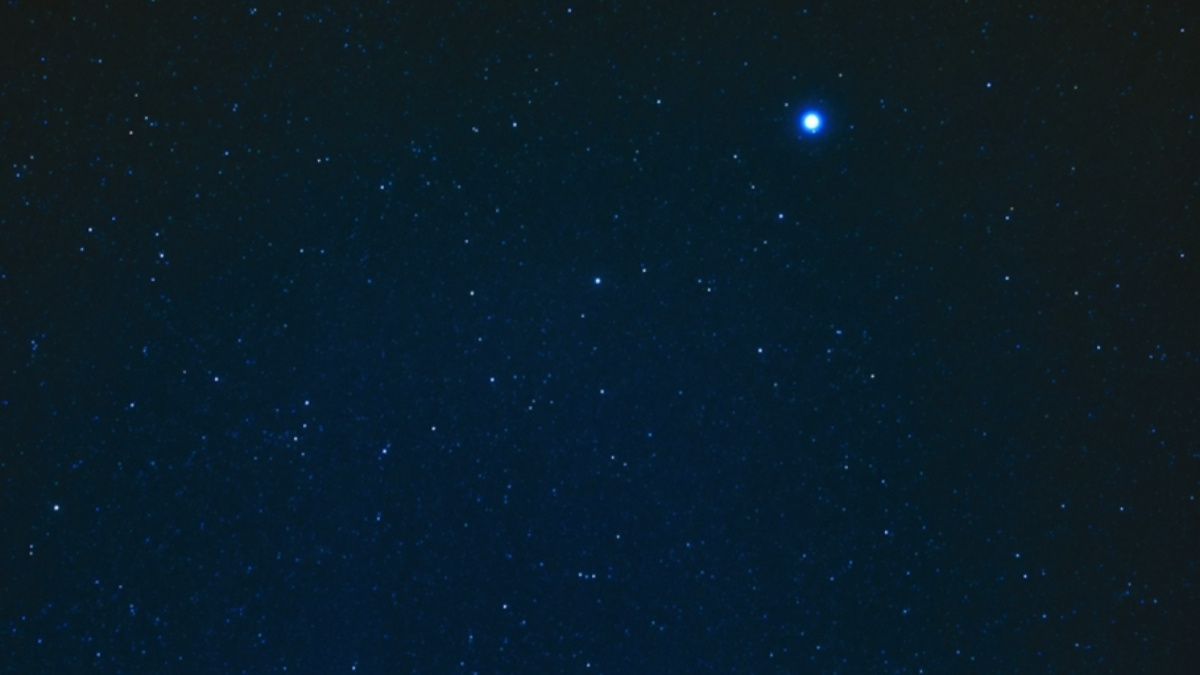
What Is the Suhail Star and Why It Matters
The Suhail Star, known scientifically as Canopus, is one of the brightest stars visible in the southern sky. Its annual appearance in late August has long been used across the Arabian Peninsula as a natural signal of seasonal change.
In Kuwait, the rising of Suhail marks the gradual shift from extreme summer heat toward more tolerable conditions. While not an instant cooling event, it represents a reliable climatic turning point recognized in local weather traditions.
Timing of Suhail’s Appearance in Kuwait
Suhail typically becomes visible over Kuwait’s horizon between August 24 and September 5. This period aligns with the final phase of the Gulf’s intense summer.
Key seasonal markers:
- Late August: First visibility of Suhail
- Early September: Noticeable decline in night temperatures
- Mid to Late September: Transition toward early autumn conditions
Temperature Changes After Suhail Rises
The most immediate impact of the Suhail Star is observed in nighttime temperature drops, rather than daytime heat.
Typical changes in Kuwait:
- Pre-Suhail (August peak):
- Day: 45°C to 50°C
- Night: 32°C to 36°C
- Post-Suhail (early September):
- Day: 40°C to 45°C
- Night: 28°C to 32°C
This gradual cooling improves nighttime comfort, especially in coastal areas like Kuwait City where humidity remains high.
Impact on Humidity and Wind Patterns
Following Suhail’s appearance, Kuwait experiences subtle atmospheric shifts:
- Humidity remains elevated, particularly along the coast, but becomes less oppressive at night
- Northwesterly winds (Shamal winds) begin to weaken slightly
- Dust storm frequency starts to decline compared to peak summer months
These changes signal the early stages of atmospheric stabilization across the region.
Cultural and Agricultural Significance
The Suhail Star holds deep cultural importance in Kuwait and across the Gulf:
- Traditionally marks the end of the harshest summer phase
- Signals the start of date harvesting season in some regions
- Used by Bedouin communities for navigation and seasonal planning
Even in modern forecasting, Suhail remains a symbolic indicator that resonates with local populations.
How Reliable Is Suhail as a Weather Indicator?
While Suhail is not a scientific cause of weather change, its timing coincides closely with astronomical and climatic cycles.
Meteorologically:
- The Earth’s tilt begins reducing solar intensity over the region
- Day length gradually shortens
- Surface heating decreases slightly
This alignment makes Suhail a consistent traditional forecasting tool, even in the era of satellite meteorology.
What Comes Next After Suhail
After the Suhail period, Kuwait transitions into early autumn:
- October temperatures drop further to 30°C–38°C daytime
- Nights become significantly cooler
- Outdoor activity becomes more feasible
This period sets the stage for Kuwait’s short but pleasant winter season.
Final Insight and Safety Tip
The appearance of the Suhail Star in Kuwait is more than a cultural symbol—it’s a practical signal of seasonal transition. However, extreme heat does not disappear immediately..