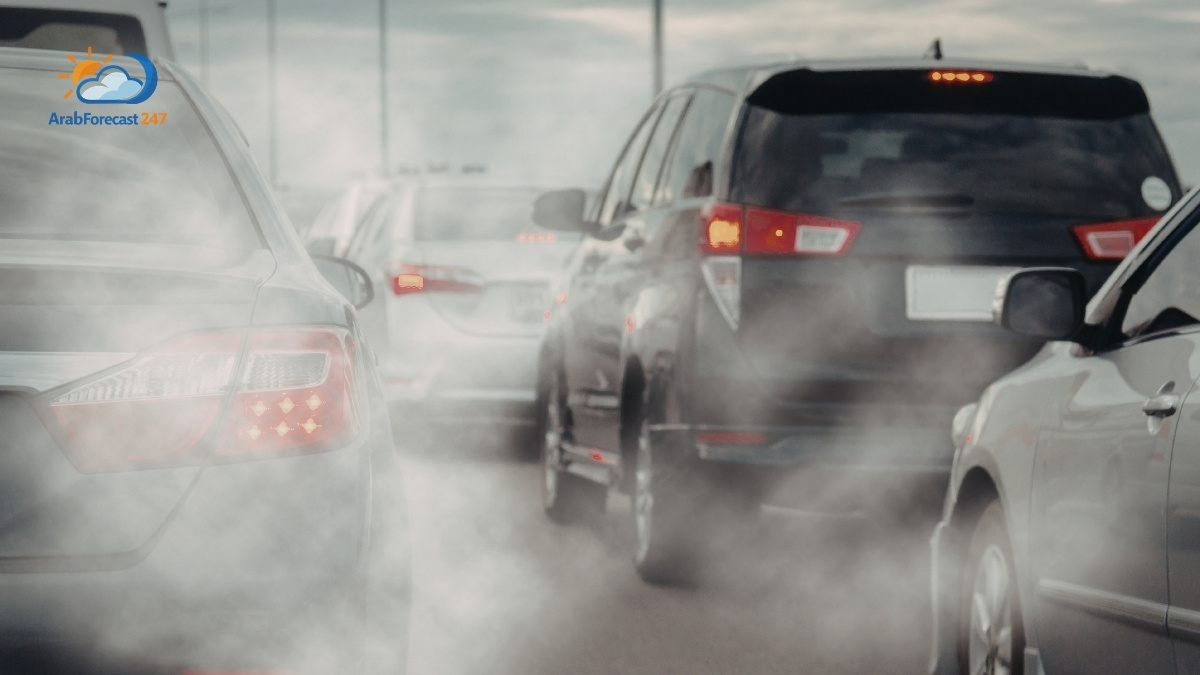
Major sandstorms are a defining characteristic of the Middle East, particularly during the seasonal transitions when the Shamal winds intensify. For residents and travelers in cities like Riyadh, Doha, or Kuwait City, these events can transform a routine commute into a high-stakes survival exercise.
As a weather analyst monitoring recent atmospheric shifts, I have seen visibility in the Eastern Province of Saudi Arabia drop to less than 500 meters within minutes. Navigating these conditions requires more than just focus; it requires a specific set of sandstorm driving safety tips.
1. Immediate Visibility Strategies
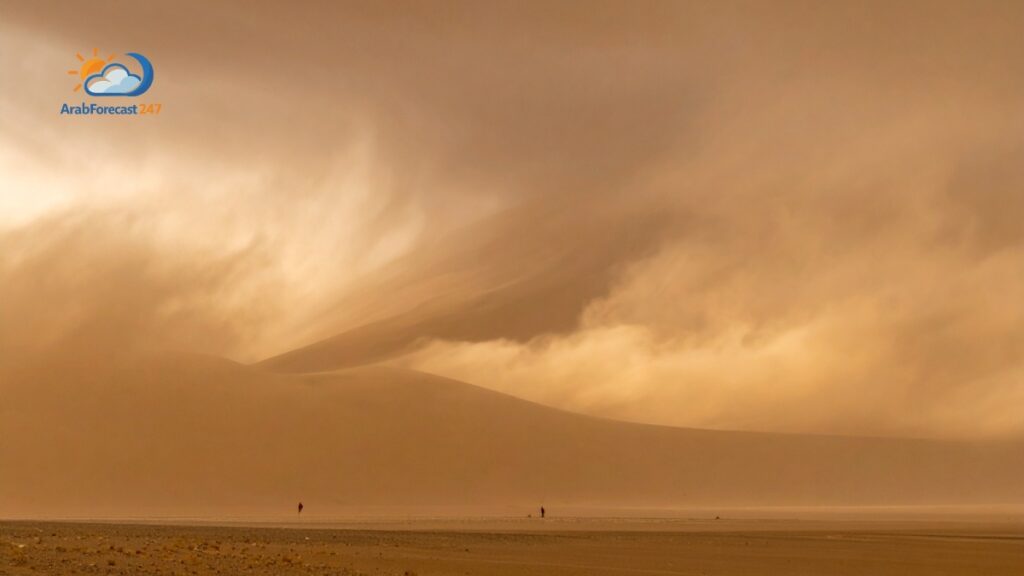
When you find yourself driving in a dust storm, your primary goal is to see and be seen without creating illusions for other drivers.
- Ditch the High Beams: While it’s tempting to use high beams, they are counterproductive. The light reflects off the dense dust particles, creating a “white-out” effect that further obscures your view. Use dipped headlights and fog lights instead.
- The 5-Second Rule: Standard following distances do not apply. In low visibility, increase your gap to at least five seconds. This provides a necessary buffer for sudden braking by the vehicle ahead.
- Follow the Lines: If you are struggling with how to drive in low visibility, use the painted road markings (the right-hand “fog line”) as your guide rather than the taillights of the car in front, which may lead you off course.
2. Managing Your Vehicle’s Environment
The grit found in regional storms is abrasive and can quickly compromise your car’s internal systems.
- Seal the Cabin: Immediately close all windows and the sunroof.
- Recirculation Mode: Switch your AC to internal recirculation. This prevents the system from pulling in dust-heavy air from outside, which can clog your cabin filters and irritate your respiratory system.
- Wiper Maintenance: Ensure your wipers are in top condition. Sand buildup on a windshield can be scratched away if wipers are used without sufficient fluid, so keep your washer reservoir full.
3. When to Pull Over: “Pull Aside, Stay Alive”
There is a point where no amount of skill makes driving safe. If visibility drops to near zero a common occurrence during a Saudi Arabia sandstorm—you must exit the roadway.
- Pull Completely Off: Move as far off the paved surface as possible.
- Lights Off: Once stopped and safely off the road, turn off all your lights, including your hazard lights.
Note: Drivers behind you may instinctively follow your taillights, thinking you are still on the road, which leads to rear-end collisions. - Brakes Off: Take your foot off the brake pedal to ensure no brake lights are visible. Set your emergency brake instead.
Post-Storm Maintenance
After the dust settles, your vehicle needs attention. Sand is highly corrosive and invasive. Visit a service center to clean or replace your air filters and give the exterior a thorough high-pressure wash to prevent the grit from damaging the paintwork or brake components.
Current Forecast Note: With the Shamal season active, keep a close watch on the National Center for Meteorology (NCM) updates. If an “Orange” or “Red” alert is issued for your route, the best safety tip is simply to stay off the road until the front passes.