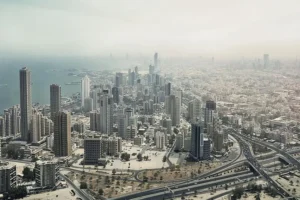
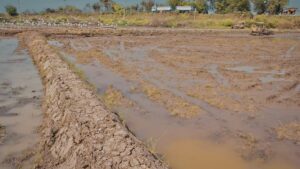
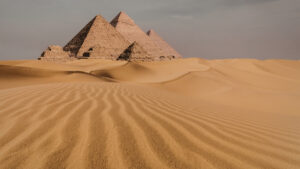
Bahrain’s heritage sites are under increasing pressure from persistent humidity, saline air, and coastal erosion. With average humidity levels often exceeding 70% during summer and temperatures ranging between 35°C to 45°C, historic structures face accelerated deterioration, particularly in low-lying coastal areas.
The Climate Threat to Cultural Landmarks
Bahrain’s climate is classified as hot desert, but its island geography exposes heritage sites to high moisture levels from the Arabian Gulf. This combination of heat and humidity creates ideal conditions for material decay.
Key risks include:
- Salt crystallization within stone and coral blocks
- Expansion and contraction due to temperature fluctuations
- Biological growth such as mold and algae
- Surface erosion from humid winds carrying fine particles
Traditional structures made from coral stone, gypsum, and palm wood are especially vulnerable.
High-Risk Sites and Materials
Coastal heritage zones, including ancient settlements and forts, are most exposed to environmental stress. Sites built using porous materials absorb moisture quickly, weakening structural integrity over time.
Commonly affected materials:
- Coral stone: absorbs saltwater and deteriorates internally
- Limestone: prone to surface flaking under humidity
- Mud brick: softens and erodes rapidly in moist conditions
Humidity levels peak between June and September, coinciding with Bahrain’s harshest weather period.
Modern Preservation Techniques
To combat humidity and erosion, Bahrain has adopted a mix of traditional and modern conservation strategies. These efforts aim to balance authenticity with durability.
Effective methods include:
- Applying breathable protective coatings to prevent moisture buildup
- Installing climate monitoring sensors inside structures
- Using desalination treatments to remove salt deposits
- Reinforcing foundations against coastal erosion
Advanced restoration projects now integrate weather data to predict seasonal damage patterns.
Role of Urban Planning and Coastal Management
Urban expansion near heritage sites can worsen environmental stress. Poor drainage and rising groundwater levels increase moisture exposure.
Preventive planning measures:
- Establishing buffer zones around historic areas
- Improving drainage systems to control water accumulation
- Limiting construction activities near sensitive المواقع
- Monitoring sea-level rise and shoreline changes
These steps help reduce long-term erosion risks.
Community Awareness and Sustainable Protection
Public awareness plays a crucial role in preserving Bahrain’s cultural identity. Local communities, tourists, and authorities must work together to minimize environmental damage.
Simple actions include:
- Avoiding physical contact with fragile structures
- Reporting visible damage or erosion signs
- Supporting conservation initiatives and heritage programs
Sustainable tourism policies also reduce human-induced stress on these المواقع.
Future Outlook: Climate Adaptation is Key
With climate change intensifying humidity patterns and increasing sea levels, Bahrain’s heritage protection strategies must evolve. Integrating meteorological forecasting with conservation planning will become essential.
Seasonal humidity forecasts can help authorities prepare preventive measures before peak exposure periods.
Final Thought
Protecting Bahrain’s heritage sites from humidity and erosion is not just about preservation—it’s about safeguarding history against a changing climate.