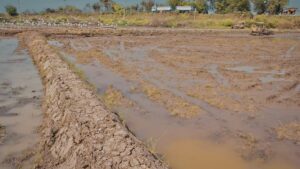
Current Hydrological Trends Along the Orontes River
The Orontes River has shown increasing variability in water levels over recent years, directly affecting agricultural cycles across Syria, Lebanon, and southern Turkey. Seasonal fluctuations have become less predictable due to irregular rainfall and rising temperatures.
In peak summer months, temperatures often range between 32°C and 42°C, accelerating evaporation and lowering river discharge during critical irrigation periods.
Direct Impact on Planting and Harvest Cycles
Farmers along the Orontes basin rely heavily on consistent river flow for irrigation. Changes in water levels are disrupting traditional farming calendars.
Key impacts include:
- Delayed planting seasons due to insufficient early spring water supply
- Reduced crop yields during dry summers
- Early harvesting in some areas to avoid water shortages
- Increased dependence on groundwater pumping
Seasonal Rainfall and Snowmelt Influence
The Orontes River is primarily fed by winter rainfall and mountain snowmelt. Any shift in these patterns directly affects water availability downstream.
Recent observations show:
- Shorter and less intense rainy seasons
- Reduced snowpack in upstream mountainous regions
- Faster snowmelt due to rising spring temperatures (15°C to 25°C)
This results in water arriving earlier in the season, leaving less availability during late summer when crops need it most.
Regional Farming Challenges and Adaptation
Agricultural zones in western Syria and the Al-Ghab Plain are among the most affected. Farmers are adjusting practices to cope with changing river dynamics.
Adaptation strategies include:
- Switching to drought-resistant crops like barley and lentils
- Adopting drip irrigation systems to conserve water
- Adjusting planting dates based on updated weather forecasts
- Building small-scale water storage systems
Despite these efforts, small-scale farmers remain highly vulnerable to sudden drops in river levels.
Climate Pressure and Long-Term Risks
Climate change is intensifying hydrological instability across the Orontes basin. Heatwaves, prolonged dry spells, and erratic rainfall patterns are expected to worsen.
Long-term risks include:
- Declining soil moisture and fertility
- Increased desertification in marginal lands
- Greater competition for water between agriculture and urban use
Outlook for Upcoming Farming Seasons
Forecast models suggest continued variability in river flow, with below-average water levels likely during late summer. Farmers will need to closely monitor weather updates and river discharge data to plan effectively.
Closing Insight
Efficient water management is no longer optional for communities along the Orontes River.