From June to September, the UAE experiences extreme heat combined with rising humidity levels from the Arabian Gulf. While air temperatures range between 38°C and 48°C, humidity can exceed 80% in coastal areas like Dubai, Abu Dhabi, and Sharjah.
This combination significantly increases the heat index, making it feel closer to 50–55°C. During these months, preventing heat exhaustion is critical.
Why High Humidity Increases Risk
In dry desert heat, sweat evaporates quickly and cools the body.
During high-humidity months in the UAE:
- Sweat evaporates slowly
- The body retains more heat
- Core temperature rises faster
- Dehydration accelerates
This makes heat exhaustion more common, especially for outdoor workers and those exposed to midday sun.
Recognizing Heat Exhaustion Symptoms
Early identification can prevent serious complications like heatstroke.
Common symptoms include:
- Heavy sweating
- Dizziness or faintness
- Headache
- Muscle cramps
- Nausea
- Weak pulse
If body temperature approaches 39–40°C, immediate cooling and medical attention are required.
Practical Steps to Prevent Heat Exhaustion
Preventing heat exhaustion during UAE’s high-humidity months requires proactive measures.
Hydration Strategy:
- Drink water every 20–30 minutes outdoors
- Add oral rehydration salts if sweating heavily
- Avoid excessive caffeine during peak heat
Timing Outdoor Activities:
- Avoid direct sun exposure between 11 AM and 5 PM
- Schedule exercise before 9 AM or after sunset
- Monitor daily weather alerts from the National Center of Meteorology
Clothing Choices:
- Wear lightweight, breathable fabrics
- Choose light-colored clothing
- Use wide-brim hats and UV-protective sunglasses
Workplace Precautions (Common in UAE Summer):
- Follow midday break rules for outdoor labor
- Use shaded rest areas
- Rotate shifts during extreme heat days
Special Risk Groups
Certain groups face higher vulnerability during high humidity:
- Construction workers
- Delivery riders
- Elderly residents
- Children playing outdoors
- Individuals with heart conditions
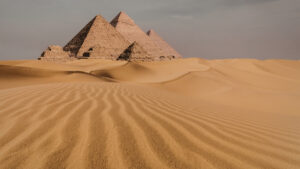
In inland desert regions, dry heat dominates. But in coastal cities, humidity compounds the strain on the body.
Indoor Cooling Matters
Air-conditioned environments are essential during peak humidity.
Indoor settings should ideally maintain:
- Temperatures between 22°C and 24°C
- Proper air circulation
- Adequate hydration access
Vehicles parked under direct sun can reach 60°C inside within minutes, making short stops dangerous.
Emergency Response: What To Do
If someone shows signs of heat exhaustion:
- Move them to a shaded or air-conditioned area
- Provide cool water in small sips
- Apply cool compresses to neck and wrists
- Seek medical care if symptoms persist
Delaying treatment can lead to heatstroke, a life-threatening condition.
Final Safety Reminder
UAE’s high-humidity months are not just uncomfortable — they are medically risky. Monitor daily temperature and humidity levels, stay hydrated, and never ignore early warning signs of heat exhaustion.