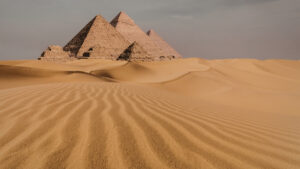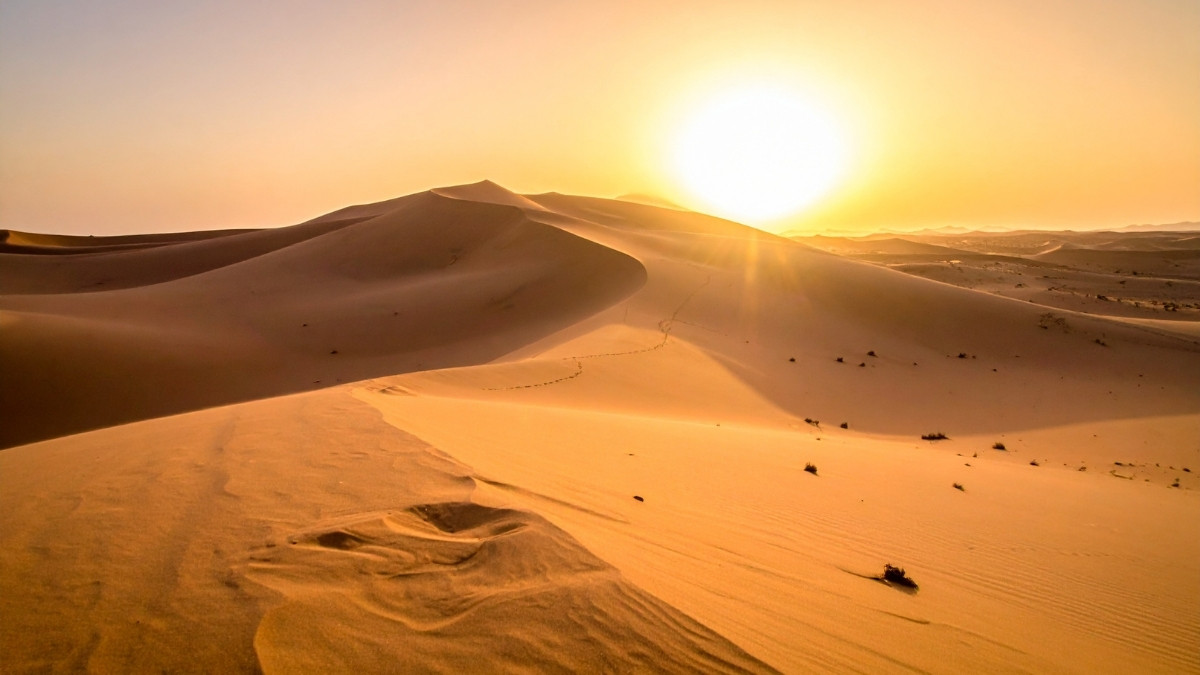
The desert town of Douz is widely known as the “Gateway to the Sahara.” Located on the edge of the vast Sahara Desert, it serves as the starting point for camel caravans, trekking routes, and multi-day expeditions into the dunes.
Weather conditions play a decisive role in planning a trek here. Temperatures in the Sahara can shift dramatically between seasons, making certain months far more suitable for safe and comfortable travel.
Best Months for a Sahara Trek from Douz
The most favorable trekking season generally runs from October to April. During these months, the desert climate becomes cooler and more stable.
Typical conditions include:
- Daytime temperatures between 18°C and 28°C
• Night temperatures dropping to 5°C–12°C
• Lower risk of heat exhaustion compared to summer months
This period also offers clearer skies and manageable winds, which are ideal for long camel treks across the dunes.
Why Winter is the Prime Season
Winter months from December to February are considered peak trekking season in southern Tunisia.
Weather characteristics during this period:
- Daytime temperatures around 16°C–22°C
• Cold desert nights sometimes falling to 3°C–7°C
• Dry air and excellent visibility across the dunes
The cooler air makes it easier to walk or ride camels for several hours without severe dehydration.
Months to Avoid in the Sahara
From May to September, the Sahara becomes extremely hot.
Conditions during this period can include:
- Daytime temperatures often reaching 40°C–46°C
• Hot desert winds locally known as “chergui” or “ghibli”
• Rapid dehydration and intense sun exposure
In July and August, trekking can become dangerous unless activities are limited to early morning or sunset.
Seasonal Desert Weather Patterns
The climate around Douz follows a typical Sahara desert pattern with large temperature swings.
Important weather factors include:
- Strong diurnal temperature variation between day and night
• Occasional winter sandstorms caused by regional pressure changes
• Very low annual rainfall, often below 100 mm
These conditions shape trekking routes and influence how guides plan overnight desert camps.
What to Pack for a Douz Desert Trek
Even during the cooler season, the Sahara requires careful preparation.
Essential items include:
- Lightweight breathable clothing for daytime heat
• A warm jacket or fleece for cold desert nights
• Sunglasses and a wide-brim hat for sun protection
• High-SPF sunscreen and lip balm
• A scarf or cheche to protect against sand and wind
Layering is key because temperatures can drop quickly after sunset.
Why Douz is the Ideal Sahara Starting Point
Douz sits at the northern edge of the Grand Erg Oriental, one of the largest sand seas in the Sahara.
This location offers:
- Direct access to large rolling dunes
• Traditional Bedouin-style camel caravans
• Multi-day trekking routes toward remote desert camps
Local guides have deep knowledge of seasonal weather patterns and safe routes through the shifting dunes.
Final Weather Tip for Sahara Travelers
Before starting a trek from Douz, always check the latest desert wind and temperature forecasts. Sudden sandstorms and sharp night-time temperature drops are common in the Sahara, so proper planning and guidance from local experts can make the difference between a challenging journey and a truly unforgettable desert adventure.