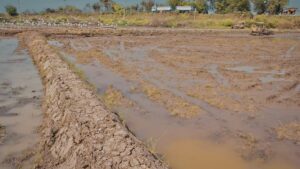
Cyclone risk along Oman’s northern and eastern coastline is highest between May and November, when the Arabian Sea becomes warm enough to fuel tropical systems. Coastal cities from Sohar to Sur face storm surge, flash flooding in wadis, and damaging winds exceeding 120 km/h in severe events.
Understanding the Cyclone Threat in Northern Oman
Oman’s coastline curves from the Gulf of Oman down toward the Arabian Sea, making it vulnerable to cyclones tracking west or northwest. Systems similar to Gonu and Mekunu have shown that even rare events can cause widespread disruption.
Sea surface temperatures often exceed 28°C during peak season, providing energy for rapid intensification. Humidity rises sharply, and pre-cyclone conditions include hazy skies, falling pressure, and increasing winds.
High Risk Zones from Sohar to Sur
Not all coastal areas face equal risk. The most exposed locations include:
- Sohar industrial coastline where infrastructure is close to sea level
• Muscat and surrounding suburbs prone to urban flooding
• Quriyat and Tiwi where wadis can flood rapidly
• Sur and Ras Al Hadd due to direct exposure to the open sea
Low lying neighborhoods and areas near dry riverbeds known locally as wadis are especially vulnerable to sudden flooding.
Early Warning Signs Residents Should Not Ignore
Cyclones do not arrive without signals. Residents should monitor:
- Sudden drop in atmospheric pressure
• Persistent strong winds from the sea
• Increasing wave height and rough surf
• Official alerts from meteorological authorities
Temperatures may remain high around 30°C to 35°C, but conditions feel oppressive due to humidity.
Essential Cyclone Preparedness Checklist
Preparation must begin before warnings escalate. Every household should have:
- Emergency water supply for at least 3 days
• Non perishable food and basic medical kit
• Battery powered radio and spare batteries
• Mobile phones fully charged with backup power banks
• Important documents stored in waterproof bags
Secure outdoor items such as furniture, water tanks, and loose construction materials.
Protecting Homes and Property
Structural safety is critical in coastal Oman:
- Reinforce windows and doors against strong winds
• Clear drainage systems to prevent water buildup
• Elevate electrical appliances above floor level
• Park vehicles away from flood prone areas
Traditional flat roof homes should be checked for drainage capacity to handle heavy rainfall.
During the Cyclone What to Do
Once the cyclone makes landfall, movement becomes dangerous:
- Stay indoors and away from windows
• Avoid driving through flooded roads or wadis
• Follow evacuation instructions if issued
• Do not go to the coast to watch waves
Rainfall can exceed 100 mm in a short period, leading to life threatening flash floods.
After the Storm Safety Measures
The danger does not end immediately after the cyclone passes:
- Avoid downed power lines and flooded electrical areas
• Check water sources for contamination
• Monitor official updates before returning to evacuated zones
Floodwaters may remain for hours or days in low lying regions.
Climate Trends and Increasing Cyclone Awareness
Recent years suggest a gradual increase in cyclone intensity in the Arabian Sea. Warmer ocean temperatures and shifting weather patterns are contributing factors.
Urban expansion in coastal Oman has increased exposure, making preparedness more important than ever.
Final Safety Tip
If you live along Oman’s coast from Sohar to Sur, treat every cyclone alert seriously. Preparation is not optional in this region it is the difference between safety and disaster.