Introduction
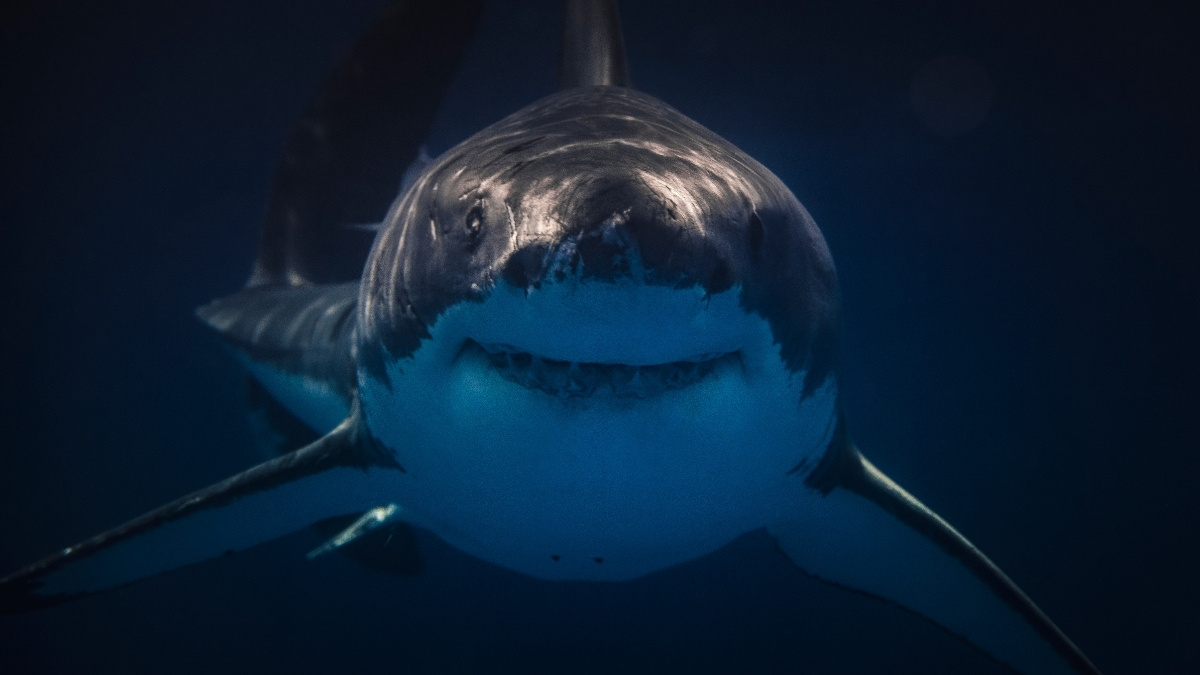
Deep beneath the icy waters of the North Atlantic, an extraordinary survivor continues to glide through darkness. A Greenland shark believed to be nearly 400 years old may still be alive today, making it the longest-living vertebrate ever recorded on Earth.
Scientists estimate that this ancient shark was already swimming through Arctic waters in the early 1600s. That means it existed centuries before electricity, automobiles, or telephones were invented. While human civilization transformed dramatically above the ocean’s surface, this slow-moving predator quietly endured in the cold depths.
The remarkable lifespan of the Greenland shark has fascinated scientists, marine biologists, and ocean researchers. Studying these mysterious creatures is helping researchers understand aging, deep-sea ecosystems, and the secrets behind extreme longevity in animals.
The Mysterious Greenland Shark
The Greenland shark (Somniosus microcephalus) is one of the least understood sharks in the world. It inhabits the cold waters of the North Atlantic and Arctic Ocean, often living at depths of more than 2,000 meters.
Unlike many sharks known for speed and aggression, Greenland sharks move slowly through the water, cruising at a pace of less than 3 kilometers per hour.
Key Characteristics
- Average length: 4–5 meters (13–16 feet)
- Weight: Up to 1,400 kilograms
- Habitat: Deep Arctic and North Atlantic waters
- Speed: One of the slowest sharks in the ocean
- Diet: Fish, squid, seals, and carrion
Despite their slow movements, these sharks are efficient scavengers and opportunistic predators in the deep sea.
Their bodies are adapted to extreme cold, allowing them to survive in waters that hover just above freezing.
How Scientists Discovered Their Incredible Age
For centuries, the true lifespan of Greenland sharks remained unknown. Their slow growth made age estimation difficult, and traditional aging methods used for fish were ineffective.
In 2016, a groundbreaking study led by marine biologists used radiocarbon dating on proteins found in the sharks’ eye lenses.
This method allowed scientists to estimate the age of several sharks and revealed something astonishing.
What the Research Found
- Some Greenland sharks live over 250 years.
- The oldest studied shark was estimated to be around 392 years old.
- These sharks grow extremely slowly—about 1 centimeter per year.
- They reach sexual maturity at around 150 years old.
This means a Greenland shark swimming today may have been born centuries ago.
A Life Spanning Four Centuries
To understand how remarkable this lifespan is, consider the historical events that occurred during the life of a 400-year-old Greenland shark.
When this shark was born in the 1600s, the world looked very different.
The World When the Shark Was Born
- Galileo had only recently improved the telescope.
- The Industrial Revolution had not yet begun.
- Sailing ships dominated global travel.
- Electricity had not been discovered for practical use.
Over the centuries, humanity experienced dramatic change.
During the shark’s lifetime, the world saw:
- The rise and fall of empires
- The invention of the steam engine
- The first airplanes taking flight
- Humans landing on the Moon
- The birth of the internet
While civilizations transformed above the ocean, the Greenland shark continued moving slowly through the deep, cold waters of the Atlantic.
Why Greenland Sharks Live So Long
Scientists believe several biological factors contribute to the extreme longevity of Greenland sharks.
1. Extremely Slow Metabolism
Cold Arctic waters significantly slow the shark’s metabolism. A slower metabolism means cells age more slowly and accumulate less damage over time.
2. Slow Growth Rate
Greenland sharks grow at an incredibly slow pace—about one centimeter per year. Animals with slower growth rates often have longer lifespans.
3. Deep-Sea Environment
Living in the deep ocean protects these sharks from many threats that shorten the lives of other species, such as predators, pollution, and human fishing activity.
4. Unique Biology
Researchers believe Greenland sharks may possess special genetic traits that protect cells from aging and disease. These traits are currently being studied for potential insights into human aging.
The Hidden Life of the Deep Ocean
Greenland sharks rarely encounter humans because they spend most of their lives in dark, remote waters.
They are often found at depths between 600 and 2,200 meters, where sunlight never reaches.
Because of this, much of their behavior remains mysterious.
Researchers are still trying to understand:
- How often they reproduce
- Their migration patterns
- Their exact hunting strategies
- Their role in Arctic marine ecosystems
Every new discovery about these ancient animals reveals how little we still know about the deep ocean.
Conservation Concerns
Despite their incredible resilience, Greenland sharks face growing threats from human activity.
Their slow growth and late maturity make them particularly vulnerable to population decline.
Major Threats
- Bycatch in commercial fisheries
- Climate change affecting Arctic ecosystems
- Ocean pollution
- Deep-sea fishing expansion
Because these sharks reproduce slowly and live for centuries, it can take generations for populations to recover.
Protecting them is essential for preserving Arctic marine biodiversity.
What Greenland Sharks Teach Us About Aging
The extraordinary lifespan of Greenland sharks has opened a new field of scientific research.
Understanding how these animals live for centuries could help scientists unlock secrets about aging and longevity.
Researchers are studying:
- Cellular repair mechanisms
- DNA stability
- Metabolic processes
- Disease resistance
Some scientists believe studying these sharks could eventually lead to medical insights that help humans live healthier, longer lives.
FAQs
How old is the oldest Greenland shark ever recorded?
Scientists estimate the oldest known Greenland shark to be around 392 years old, making it the longest-living vertebrate ever discovered.
Where do Greenland sharks live?
They inhabit the North Atlantic and Arctic Ocean, often at depths of up to 2,200 meters.
How do scientists determine the age of Greenland sharks?
Researchers estimate their age using radiocarbon dating of proteins in the shark’s eye lenses, which can reveal when the shark was born.
Why do Greenland sharks live so long?
Their slow metabolism, cold-water environment, slow growth, and unique biology are believed to contribute to their remarkable longevity.
Are Greenland sharks dangerous to humans?
Encounters with humans are extremely rare due to the shark’s deep-sea habitat, and they are not considered a major threat to people.
Conclusion
The Greenland shark is one of nature’s most astonishing survivors. A creature that may have been born nearly four centuries ago continues to glide silently through the icy waters of the North Atlantic.
While the world above the ocean has transformed through revolutions in science, technology, and society, this ancient predator has endured in the quiet darkness of the deep sea.
Its extraordinary lifespan reminds us how much remains hidden beneath the surface of our planet’s oceans.
As scientists continue to study these mysterious sharks, they may uncover insights that reshape our understanding of aging, marine ecosystems, and life itself.
For more fascinating stories about extreme weather, space discoveries, and natural phenomena, stay updated with the latest insights on Arab Forecast 247.