The fertile lands of the Nile Delta—long considered the agricultural backbone of Egypt—are under increasing pressure from rising sea levels linked to climate change. Coastal cities like Alexandria and Rosetta are already experiencing saltwater intrusion, and the impacts are now extending deep into farmland soils.
Rising Sea Levels and Soil Salinity
The Mediterranean Sea is gradually encroaching inland. Even small increases in sea level—measured in millimeters per year—have a compounding effect on low-lying delta regions.
What’s happening to the soil?
- Saltwater intrusion: Seawater seeps into underground aquifers and irrigation canals.
- Soil salinization: Salt accumulates in topsoil, reducing fertility.
- Reduced crop yields: Crops like wheat, rice, and vegetables struggle to grow in saline conditions.
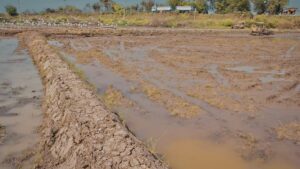
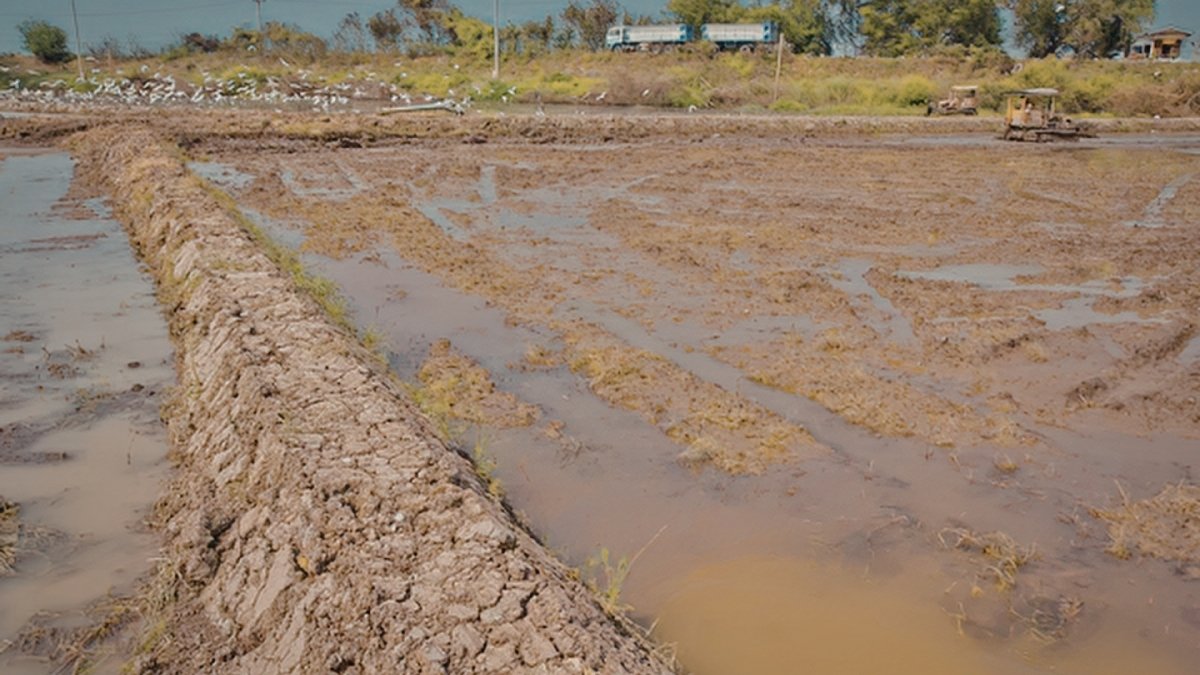
In areas north of Kafr El Sheikh and Beheira, farmers report visible salt crusts forming on the soil surface—an early sign of land degradation.
Changing Weather Patterns and Their Role
Climate change is not only raising sea levels but also altering weather patterns across northern Egypt.
Key regional factors:
- Winter storms from the Mediterranean: Stronger storms push seawater further inland.
- Khamsin winds: These hot, dry winds increase evaporation, concentrating salts in the soil.
- Higher temperatures: Average summer temperatures in the Delta now frequently exceed 35°C, accelerating soil moisture loss.
The combination of these factors intensifies salinity levels, making recovery more difficult year after year.
Impact on Farmers and Crops
Farmers across the Delta are adapting, but the challenges are growing:
Direct impacts:
- Declining productivity of staple crops
- Increased reliance on chemical fertilizers
- Loss of arable land near coastal zones
Local responses:
- Switching to salt-tolerant crops such as barley
- Installing drainage systems to flush salts from soil
- Mixing freshwater with brackish water to reduce salinity
However, these solutions are costly and not always sustainable for small-scale farmers.
Long-Term Risks to Food Security
The Nile Delta produces a significant share of Egypt’s food supply. Continued soil degradation poses a serious threat:
- Reduced national grain output
- Increased dependence on food imports
- Economic strain on rural communities
According to regional projections, parts of the northern Delta could become unsuitable for traditional agriculture within decades if current trends continue.
What Can Be Done?
Experts emphasize a combination of engineering and agricultural strategies:
- Strengthening coastal barriers to limit seawater intrusion
- Expanding modern irrigation techniques (like drip irrigation)
- Investing in soil rehabilitation programs
- Monitoring salinity levels with satellite and ground data
Conclusion
The Nile Delta remains one of the most productive agricultural regions in the Middle East, but its future depends on how effectively rising sea levels and soil salinity are managed.