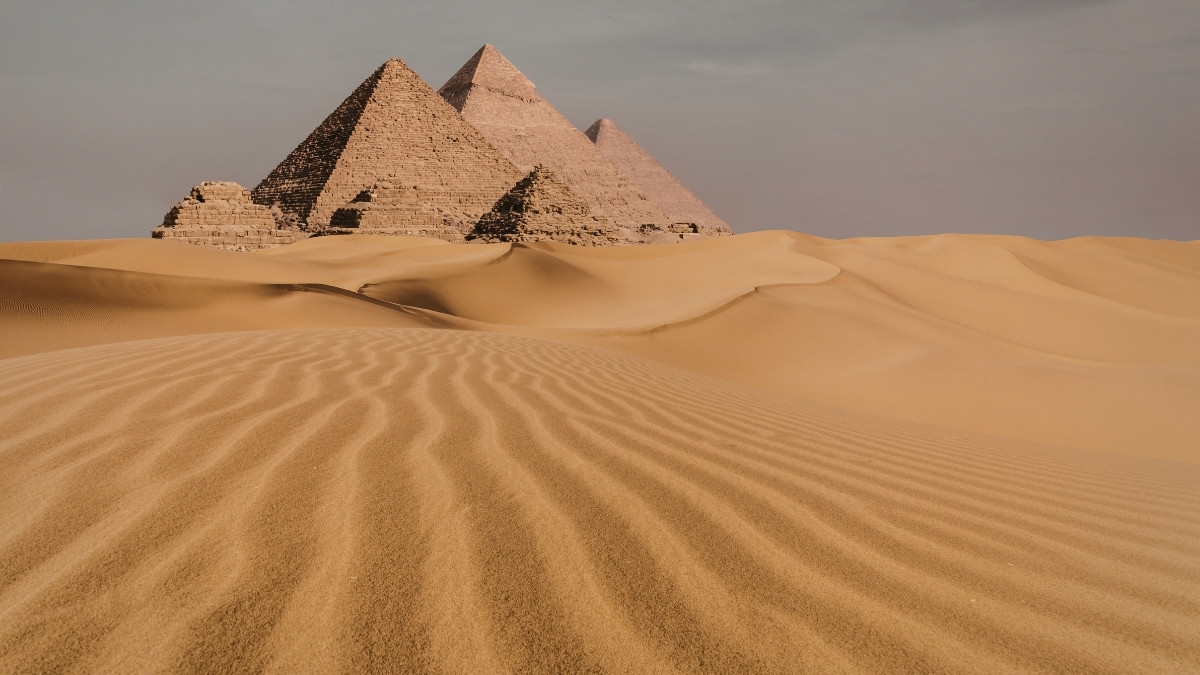
Temperatures across the Sahara Desert regularly exceed 45°C in peak summer, yet the Ubari oasis region in southwestern Libya maintains noticeably cooler microclimates. The presence of groundwater-fed lakes, dense palm groves, and dune-driven wind patterns creates a localized cooling effect that stands in stark contrast to the surrounding hyper-arid environment.
Why Ubari Feels Cooler Than the Open Desert
1. Thermal Influence of Oasis Lakes
Ubari is home to a chain of salt and freshwater lakes, including Gaberoun and Umm al-Maa. These water bodies act as natural temperature regulators.
- Water absorbs heat during the day, reducing peak air temperatures nearby
- At night, stored heat is released slowly, preventing extreme drops
- Evaporation adds slight humidity, softening the dry desert heat
Result: Daytime temperatures near the lakes can feel 3–6°C cooler compared to surrounding dunes.
Palm Groves and Natural Shade
Date palm clusters play a critical role in shaping the local climate.
- Dense canopies block direct solar radiation
- Shaded ground retains moisture longer
- Vegetation reduces surface heat reflection
This creates “cool pockets” where temperatures are significantly lower than exposed sand areas.
Sand Dune Wind Dynamics
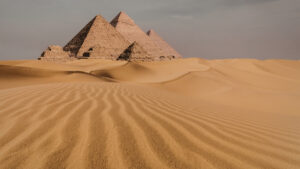
Ubari sits within a vast erg (sand sea), where dune formations influence wind flow.
- Winds such as the Ghibli (hot, dry wind in Libya) lose intensity near oasis depressions
- Cooler air settles in low-lying areas where lakes exist
- Nighttime breezes circulate more efficiently due to terrain variation
Effect: Improved airflow reduces heat stagnation, especially in late afternoon and evening hours.
Seasonal Weather Patterns in Ubari
Summer (June – September)
- Regional highs: 42–48°C
- Oasis zones: Slightly lower, especially near water
- Nights: Drop to 25–30°C
Winter (December – February)
- Daytime: 18–25°C
- Nights: Can fall below 10°C
- Calm, stable conditions dominate
Transitional Seasons (Spring & Autumn)
- Most comfortable period
- Temperatures range between 25–35°C
- Occasional dust events from shifting winds
Microclimate vs Open Desert
| Feature | Open Sahara | Ubari Oasis |
| Day Temperature | Extreme | Moderated |
| Humidity | Near zero | Slightly higher |
| Wind Exposure | High | Reduced in depressions |
| Surface Heat | Intense | Lower under vegetation |
Why Ubari Matters in Climate Studies
Ubari demonstrates how localized geography can override regional climate extremes. In a landscape dominated by heat and dryness, small ecological systems—water bodies, vegetation, and terrain—combine to produce livable conditions.
This makes Saharan oases critical for:
- Human settlement survival
- Biodiversity pockets
- Climate adaptation research in arid zones
Travel and Safety Note
Even with its cooling effects, Ubari remains part of one of the hottest regions on Earth. Visitors should:
- Avoid midday exposure (12 PM – 4 PM)
- Carry sufficient water at all times
- Be cautious during Ghibli wind events, which can raise temperatures suddenly