Cold air masses sweeping across the western Mediterranean regularly push into northwest Tunisia during winter, turning parts of the Atlas Mountains into a surprisingly snowy landscape. While Tunisia is often associated with deserts and mild coasts, its northwestern highlands—particularly the Kroumirie range—experience a distinctly alpine character between December and February.
Snowfall Patterns in Northwest Tunisia
Key مناطق (Regions)
- Ain Draham
- Tabarka (nearby higher elevations)
- Jendouba
These areas sit at elevations ranging from 600 to over 1,000 meters, making them the coldest zones in the country.
Typical Winter Conditions
- Daytime temperatures: 5°C to 12°C
- Night temperatures: Often drop to 0°C or below
- Snowfall frequency: عدة بار (several times per season), especially in January
- Snow depth: Usually light to moderate (5–20 cm), but occasional heavier accumulations occur
Moist northwesterly winds from the Mediterranean—locally influenced by regional الشتوي (winter) circulation—enhance precipitation when they hit the mountainous terrain.
Hiking in Winter: What to Expect.
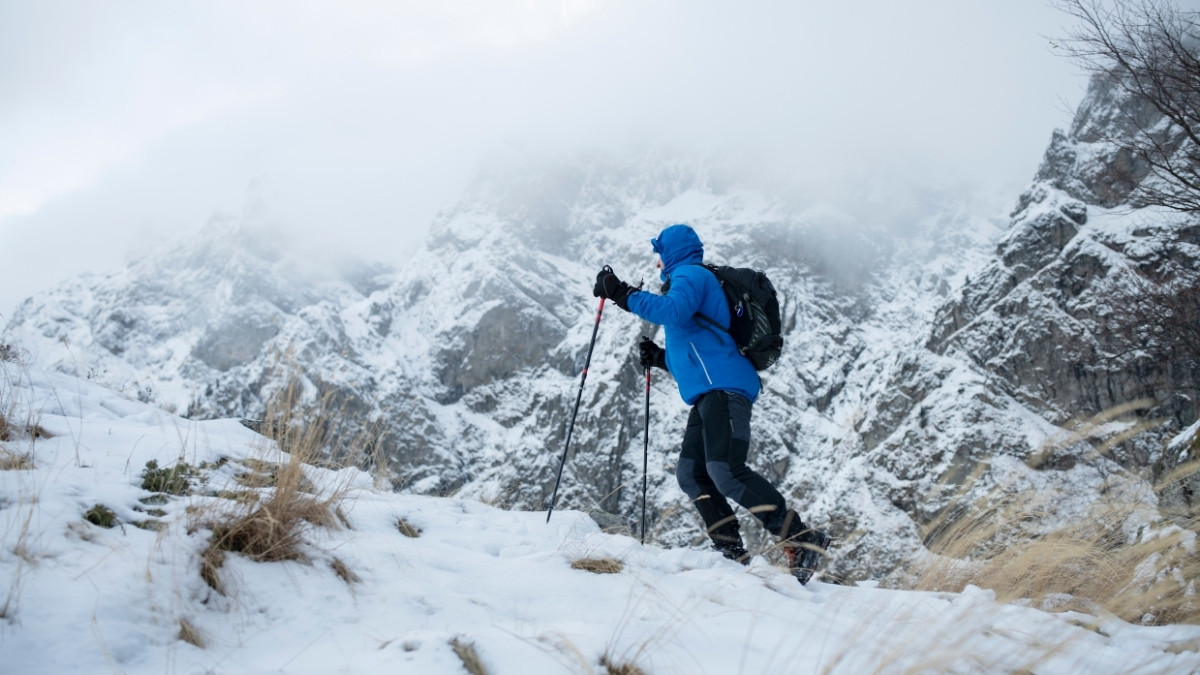
Winter hiking in northwest Tunisia offers a rare blend of Mediterranean forests and snowy trails.
Terrain Features
- Dense cork oak and pine forests
- Rolling hills rather than steep alpine peaks
- Muddy and slippery paths after snowfall
Popular Hiking Spots
- Forest trails around Ain Draham
- Elevated مناطق near Tabarka
- Rural paths in the Kroumirie Mountains
Weather Risks and Microclimates
Winter conditions in this region can change quickly due to its proximity to the sea.
Key Weather عوامل (Factors)
- Rapid cloud buildup: Moist air can trigger sudden rain or snow
- Fog formation: Common in forested highlands, reducing visibility
- Wind chill: شمالی مغربی ہوائیں (northwesterly winds) can make it feel colder than actual temperatures
Microclimates mean that while Tabarka may remain rainy, nearby higher elevations can receive snow at the same time.
Best Time for Snow Hiking
- Late December to early February: Highest probability of snow cover
- January: Peak cold and most reliable snowfall
- Early mornings: Best for stable snow conditions before melting begins
Practical Tips for Winter Hikers
- Wear waterproof boots due to mud and melting snow
- Carry layered clothing for fluctuating temperatures
- Check local forecasts for sudden weather changes
- Avoid late العودة (returns) as temperatures drop sharply after sunset
- Conclusion
Winter in northwest Tunisia transforms the Atlas foothills into a quiet, snow-dusted escape—far removed from the country’s typical climate image. For hikers, it’s a short but rewarding season where forests, mist, and snow intersect.