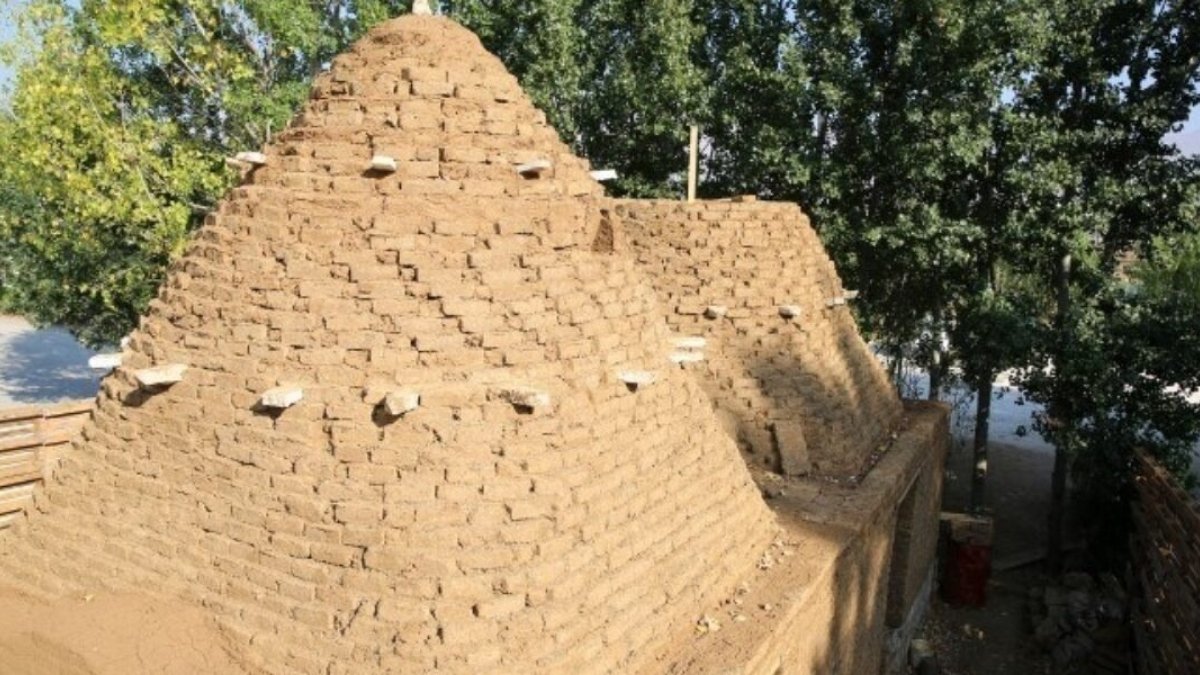
Winter conditions across Syria, particularly in cities like Damascus, Aleppo, and Homs, bring a combination of low temperatures between 5°C and 12°C, intermittent rainfall, and high indoor humidity. These factors create ideal conditions for dampness and mold, posing a serious threat to historic homes built with traditional materials.
Why Historic Syrian Homes Are Vulnerable
Traditional Syrian houses often use limestone, mud brick, and gypsum plaster. These materials are breathable but highly sensitive to prolonged moisture exposure.
Many older homes also feature inner courtyards and thick walls that trap moisture during cold الشتاء periods, especially when ventilation is limited.
Key risk factors include:
- Poor insulation in aging structures
- Limited sunlight in narrow alleyways
- Rising damp from the ground
- Roof leakage during winter rain systems
Common Signs of Dampness and Mold
Early detection is critical to preserving both structural integrity and cultural heritage.
Watch for:
- Musty odors in enclosed rooms
- Dark patches on walls and ceilings
- Peeling plaster or bubbling paint
- Increased allergy or respiratory issues among residents
These signs typically worsen during January and February when humidity peaks.
Impact of Syrian Winter Weather
Western disturbances moving across the Eastern Mediterranean bring periodic rainfall and cold air masses into Syria. Coastal regions experience higher humidity, while inland cities face cold nights that increase condensation indoors.
Typical winter conditions include:
- Night temperatures dropping to 3°C–6°C
- Relative humidity levels exceeding 70%
- Rainfall events lasting 2–3 days
This cycle of moisture accumulation and poor drying conditions accelerates mold growth.
Practical Prevention Strategies
Protecting historic Syrian homes requires a balance between preservation and modern intervention.
Effective measures include:
- Improve ventilation
Open windows during midday when temperatures rise slightly to allow الهواء الجاف circulation - Use lime-based plasters
These traditional materials help walls breathe and reduce moisture buildup - Repair roof leaks immediately
Even minor سقف damage can allow water infiltration during winter storms - Install moisture barriers
Prevent rising damp by treating foundations where possible - Use safe heating methods
Avoid unvented gas heaters, as they increase indoor humidity levels
Low-Cost Solutions for Residents
Not all homeowners can afford major restoration, but small steps can make a significant difference.
- Place charcoal or salt containers to absorb moisture
- Keep furniture slightly away from walls
- Dry clothes outdoors whenever possible
- Maximize sunlight exposure during clear days
These simple techniques help reduce indoor humidity without damaging historic materials.
Preservation and Cultural Responsibility
Historic Syrian homes are more than shelters; they represent centuries of architectural heritage. Protecting them from dampness and mold ensures their survival for future generations.
Local communities and restoration experts must work together to apply climate-aware preservation methods that respect traditional البناء techniques.
Final Weather Safety Tip
As winter humidity rises, act early.