Roof waterproofing before winter is essential across the Middle East and North Africa, where seasonal rains, coastal humidity, and occasional storms can quickly expose structural weaknesses. In cities like Casablanca, Beirut, and parts of northern Algeria, winter rainfall can exceed 300–600 mm, while temperatures drop between 5°C and 15°C—creating ideal conditions for leaks, mold, and long-term damage.
Why Roof Waterproofing Matters in MENA Winters
Even in typically dry regions, winter brings sudden weather shifts. Mediterranean climates experience heavy rain bursts, while desert regions can face unexpected storms and strong winds.
Without proper waterproofing:
- Water seeps into concrete and weakens structural integrity
- Mold and dampness develop inside ceilings and walls
- Heat insulation decreases, increasing energy costs
Inspect the Roof Before the First Rain
A detailed inspection is the first step in preparing your roof for winter.
Focus on:
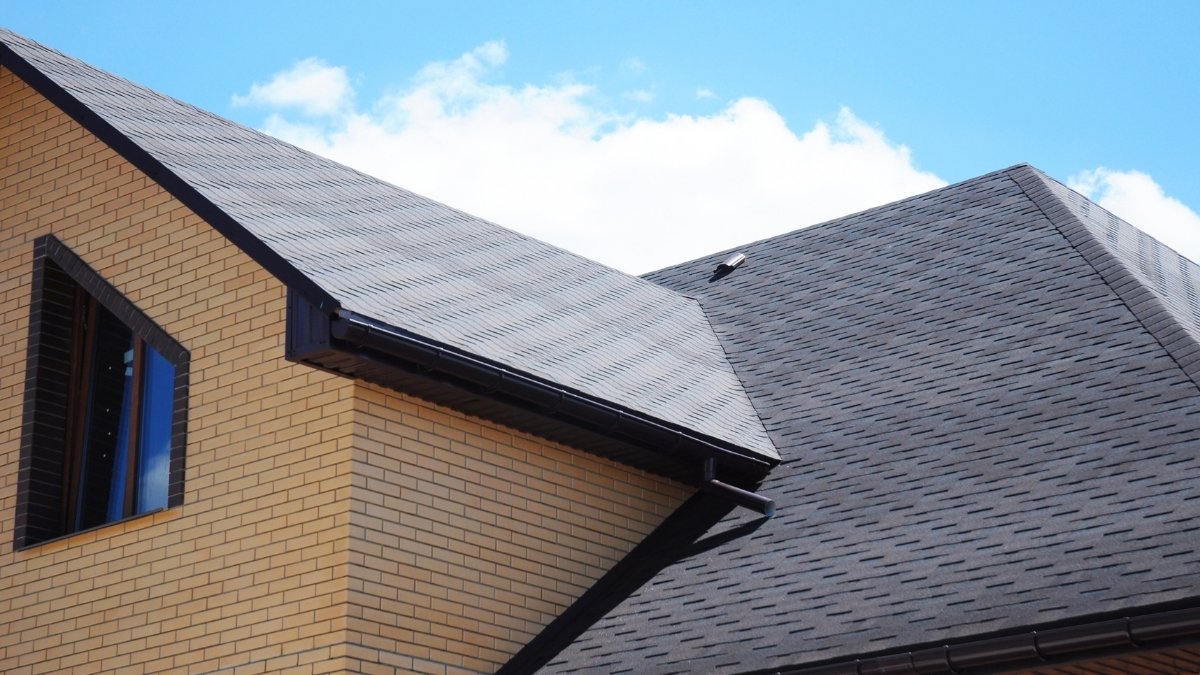
- Cracks in concrete or tiles
- Loose or broken roofing materials
- Water pooling areas after previous rains
- Damaged drainage systems
Early detection helps prevent costly repairs during peak winter storms.
Choose the Right Waterproofing Materials
Different regions in MENA require different solutions based on climate conditions.
Common waterproofing options:
- Bitumen membranes for flat concrete roofs (common in urban areas)
- Liquid waterproof coatings for seamless protection
- Polyurethane sealants for cracks and joints
- Reflective coatings for dual protection against summer heat and winter moisture
In coastal cities with high humidity, anti-fungal coatings are especially important.
Seal Cracks and Weak Points
Cracks are the main entry points for water during winter rainfall.
Key areas to seal:
- Roof edges and parapets
- Around water tanks and AC units
- Joints between tiles or slabs
Use high-quality sealants that can withstand temperature variations from 5°C to 40°C, which are typical across many MENA regions.
Ensure Proper Drainage Systems
Poor drainage is one of the biggest causes of roof leakage.
Make sure to:
- Clean gutters and remove debris
- Check downpipes for blockages
- Ensure proper slope for water runoff
Flat roofs, common in the region, must have efficient drainage to prevent standing water.
Apply a Waterproof Coating Layer
Applying a protective layer adds an extra shield against winter rain.
Benefits include:
- Preventing water penetration
- Extending roof lifespan
- Reducing maintenance costs
This step is especially critical in areas prone to heavy seasonal rainfall, such as northern Morocco and coastal Tunisia.
Consider Professional Inspection
For older buildings or large roofs, hiring a professional can ensure thorough waterproofing.
Experts can:
- Detect hidden structural issues
- Recommend climate-specific materials
- Apply industrial-grade waterproofing systems
This is particularly useful in regions where winter storms can be intense and unpredictable.
Timing Matters: When to Waterproof
The best time to waterproof your roof is early autumn, before temperatures drop and rains begin.
Ideal conditions:
- Dry weather for proper material application
- Temperatures between 15°C and 30°C for optimal curing
Delaying this process increases the risk of emergency repairs during storms.
Final Safety Tip
Never wait for the first leak to act. A well-waterproofed roof not only protects your home from winter rains but also improves energy efficiency and indoor comfort.