Understanding Climate and Culture Together
In the Middle East and North Africa, clothing is shaped by two powerful forces: climate and cultural expectations. Temperatures can range from 5°C in winter nights in inland areas to over 45°C in desert regions during summer. Dressing correctly means balancing heat management with respectful coverage.
Ignoring either factor can lead to discomfort or unintended cultural offense, especially in conservative areas.
Desert Regions: Heat, Dust, and Modesty
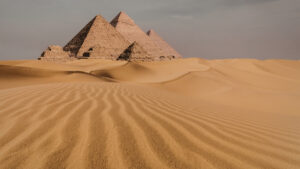
Desert climates such as those in Saudi Arabia, Algeria, and southern Morocco experience extreme daytime heat and cooler nights.
Daytime temperatures often exceed 40°C, with dry winds like the “Sirocco” carrying sand and dust.
Recommended clothing:
- Loose, breathable fabrics like cotton or linen
- Long sleeves and full-length trousers to protect from sunburn
- Light colors to reflect sunlight
- Head coverings such as scarves or shemagh for dust protection
Culturally, modest dress is expected. Both men and women should avoid shorts and sleeveless tops in rural and traditional areas.
Coastal Areas: Humidity and Light Layers
Coastal cities like Casablanca, Tunis, and Beirut have milder but more humid climates. Summer temperatures range between 25°C and 32°C, but humidity increases discomfort.
Clothing tips:
- Lightweight, airy fabrics to handle humidity
- Short sleeves are generally acceptable in urban settings
- A light jacket for evening sea breezes
In tourist-friendly zones, dress codes are more relaxed. However, modesty still applies when visiting religious or local neighborhoods.
Urban Cities: Modern Style with Cultural Awareness
Major cities such as Dubai, Cairo, and Amman blend modern fashion with traditional norms. Temperatures vary widely, from 10°C in winter to 40°C in summer.
What works best:
- Smart casual clothing that covers shoulders and knees
- Breathable materials during summer months
- Layering in winter, especially in cities with cooler climates like Amman
While malls and hotels allow Western-style clothing, public spaces often require more conservative attire.
Religious and Cultural Sites: Strict Dress Codes
Mosques and historical religious sites enforce clear dress guidelines regardless of weather conditions.
Essential rules:
- Women: Headscarf, long sleeves, and full-length clothing
- Men: Long trousers and covered shoulders
- Avoid tight or transparent fabrics
Even in 35°C heat, covering up is mandatory, so choose ultra-light, breathable fabrics to stay comfortable.
Seasonal Adjustments Across MENA
Weather shifts significantly across seasons, requiring flexible wardrobe choices.
Summer:
- Temperatures: 30°C to 45°C
- Focus on sun protection and hydration
- Avoid synthetic fabrics that trap heat
Winter:
- Temperatures: 5°C to 20°C depending on region
- Northern areas may require coats and scarves
- Desert nights can feel surprisingly cold
Spring and Autumn:
- Mild temperatures: 18°C to 28°C
- Ideal for layering and versatile clothing
Practical Packing Tips for Travelers
Packing smart ensures both comfort and cultural respect.
- Choose neutral, loose-fitting outfits
- Carry a scarf it’s useful for sun, dust, and cultural coverage
- Wear comfortable, closed shoes for المدن (cities) and uneven terrain
- Keep sunglasses and sunscreen essential in high UV regions
Final Thought and Safety Tip
Dressing appropriately in the MENA region is not just about style it is a form of awareness and respect. Always check local customs before traveling, especially during religious periods like Ramadan.