What’s Happening Along Lebanon’s Northern Coast
Waterspouts have been increasingly observed off the coast of Tripoli, raising concern among fishermen and coastal residents. These so-called “mini-tornadoes” form over the eastern Mediterranean when warm sea surface temperatures interact with cooler air masses.
In recent seasons, sea temperatures near northern Lebanon have ranged between 26°C and 30°C during late summer and early autumn, creating ideal instability for waterspout development.
What Exactly Are Waterspouts
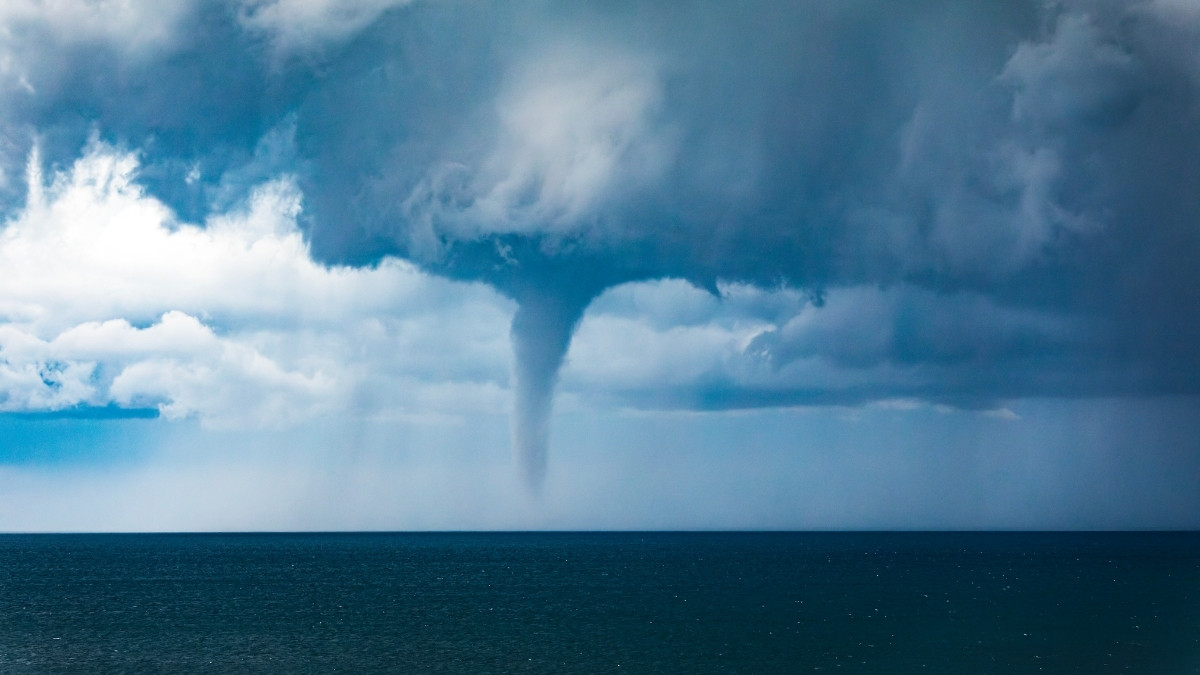
Waterspouts are rotating columns of air and mist that form over water, often appearing like narrow funnels extending from clouds to the sea surface. Unlike tornadoes on land, most waterspouts in Lebanon are relatively weak but can still pose risks.
There are two main types observed in the region:
- Fair-weather waterspouts, which form under developing cumulus clouds
• Tornadic waterspouts, associated with stronger storm systems and thunderstorms
Along Tripoli’s coast, fair-weather waterspouts are more common, especially during calm mornings followed by rapid atmospheric changes.
Why Tripoli Is a Hotspot
Tripoli’s coastal geography and local weather patterns make it particularly prone to these events. Key contributing factors include:
- Warm Mediterranean waters retaining heat into autumn
• Sudden influx of cooler air from inland or northern systems
• High humidity levels often exceeding 70% near the coast
• Light wind conditions at sea surface combined with instability aloft
These conditions create a perfect environment for vertical air rotation, leading to waterspout formation.
Seasonal Patterns and Timing
Waterspouts near Tripoli are most frequently reported between August and November. Early morning hours are especially favorable, when the sea is calm and temperature contrasts are strongest.
Typical weather setup includes:
- Air temperatures between 24°C and 29°C
• Calm or light winds below 15 km/h
• Developing cumulus clouds over the sea
These patterns are becoming more noticeable, possibly linked to gradual warming trends in the Mediterranean basin.
Risks to Fishermen and Coastal Communities
While most waterspouts remain offshore and dissipate quickly, they can still be dangerous:
- Sudden strong winds and waves can capsize small fishing boats
• Reduced visibility due to spray and cloud formation
• Rare cases of waterspouts moving onshore, causing localized damage
Fishermen operating near Tripoli port and nearby areas should remain alert during unstable weather conditions.
Are Waterspouts Increasing in Lebanon
Meteorological observations suggest a slight increase in frequency, though long-term data remains limited. Warmer sea temperatures and shifting atmospheric patterns across the eastern Mediterranean may be contributing factors.
Regional forecasters are paying closer attention to these phenomena as part of broader climate variability in the MENA region.
How to Stay Safe
If you are near the coast of Tripoli and notice a waterspout forming:
- Move away from the shoreline immediately
• Avoid going out to sea during unstable weather
• Monitor local weather updates and radar imagery
• Seek shelter if strong winds develop suddenly