Winter Conditions in Gaza: What Residents Face
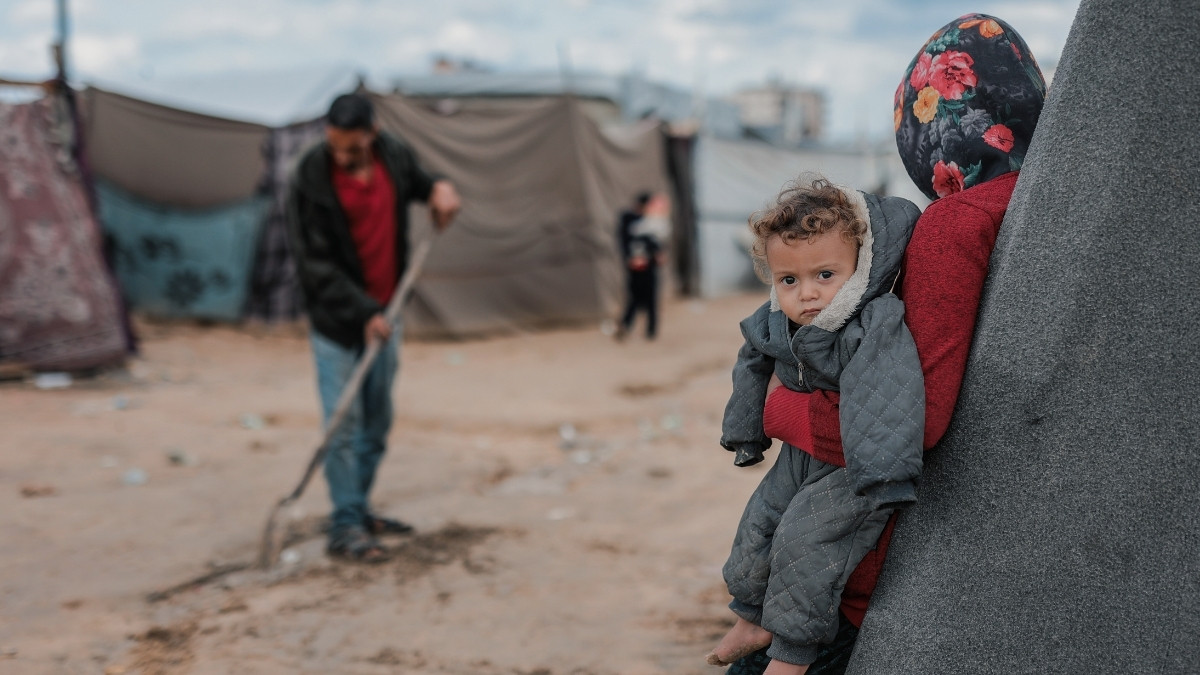
Winter in the Gaza Strip typically brings temperatures between 8°C and 15°C, with cold spells occasionally dropping below 6°C during nighttime. High humidity from the Mediterranean and strong coastal winds make the cold feel more intense than the thermometer suggests.
Frequent electricity shortages during winter storms further complicate heating, leaving many households without reliable power for long hours.
Why Energy Shortages Make Winters More Dangerous
Energy supply in Gaza is often limited, especially during peak winter demand. Heating devices like electric heaters become unreliable, forcing families to depend on alternative methods.
Cold exposure increases health risks, particularly for children and the elderly, including respiratory illnesses and hypothermia-like conditions in poorly insulated homes.
Practical Ways to Stay Warm Without Electricity
When power is unavailable, simple and effective strategies can help retain body heat and keep living spaces warmer.
- Seal windows and doors using cloth, plastic sheets, or tape to block cold air
- Use thick blankets, rugs, and curtains to insulate rooms
- Wear multiple layers of clothing, especially wool or fleece
- Keep head, hands, and feet covered to reduce heat loss
- Sleep in groups or shared spaces to conserve warmth
Safe Use of Alternative Heating Methods
Many households rely on fuel-based heating sources such as charcoal or wood. These can be effective but carry safety risks.
- Always ensure proper ventilation to avoid carbon monoxide buildup
- Never use open flames in closed rooms
- Keep heaters away from flammable materials
- Avoid using cooking stoves for prolonged indoor heating
Food and Warmth: Nutrition Matters
Maintaining body heat is closely linked to nutrition. Warm meals and drinks help regulate internal temperature.
- Consume hot soups, tea, and calorie-rich foods
- Eat regularly to maintain energy levels
- Store food efficiently during power outages to avoid spoilage
Community Support and Shared Resources
In many areas of Gaza, communities come together during winter hardships. Shared shelters, mosques, and community centers often provide temporary warmth.
Families also share fuel, blankets, and essential supplies during severe cold waves.
Weather Awareness and Preparation
Winter storms in Gaza can bring heavy rain, strong winds, and occasional flooding. Monitoring forecasts helps residents prepare in advance.
- Charge devices when electricity is available
- Store extra blankets and dry clothing
- Keep emergency supplies ready before storms arrive
Final Safety Tip
Cold weather in Gaza is not just uncomfortable, it can be life-threatening during energy shortages.