Why Winter Rain Shapes Daily Life in Algiers
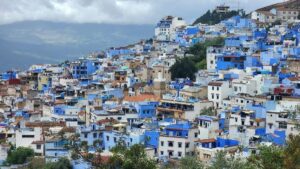
Algiers, often called “La Blanche” because of its white Mediterranean architecture, experiences its wettest weather during the winter months. From November to March, the Algerian capital receives the majority of its annual rainfall, with frequent Atlantic and Mediterranean storm systems reaching the coast.
Average winter temperatures in Algiers remain relatively mild compared to many European cities.
- Daytime temperatures usually range between 14°C and 18°C
• Night temperatures often fall to 8°C–11°C
• Monthly rainfall can reach 90–120 mm during peak winter months
These conditions create a humid coastal climate where rain, sea winds, and urban infrastructure must constantly adapt.
Mediterranean Storm Systems and Rainfall Patterns
Winter rain in Algiers is mainly driven by Mediterranean low-pressure systems that move eastward across North Africa. When these systems interact with moist air over the sea, heavy showers can develop along the Algerian coast.
Typical winter weather patterns include
- Sudden rain showers followed by clear skies
• Multi-day rainy periods during stronger storms
• Coastal winds increasing humidity and cloud cover
Rainfall is often more intense in short bursts rather than continuous drizzle, which can overwhelm drainage systems in older neighborhoods.
Urban Challenges During the Rainy Season
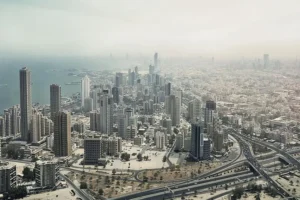
Managing winter rains is an important task for city authorities in Algiers. The capital is built on steep hills descending toward the Mediterranean Sea, which can increase runoff during storms.
Key urban challenges include
- Flooding in low-lying districts near the harbor
• Water accumulation in narrow streets of historic areas
• Traffic slowdowns during heavy rainfall
Older districts, especially hillside communities, can experience rapid water flow down sloped roads during intense storms.
Infrastructure and Drainage Management
Over the years, Algiers has improved its drainage systems to better handle winter rainfall. Modernization projects have focused on stormwater channels, road drainage, and flood prevention measures.
Some of the most common management strategies include
- Clearing drainage networks before winter storms
• Expanding stormwater pipelines in high-risk areas
• Monitoring rainfall and issuing weather alerts
These efforts help reduce disruption during the city’s wettest months.
Local Weather Factors That Influence Rainfall
Several regional factors influence how winter rain behaves in Algiers.
Mediterranean humidity plays a major role, as moist sea air feeds storm clouds. Coastal winds can also intensify rainfall when cold air masses pass over the relatively warm sea.
Another factor is the nearby Atlas mountain ranges, which can enhance rainfall as air masses rise and cool over the terrain.
This combination of sea moisture and topography often leads to heavier rainfall along the northern Algerian coastline.
Best Ways for Residents and Visitors to Prepare
Winter in Algiers is not extremely cold, but preparation for rain is essential.
Practical tips include
- Carrying a waterproof jacket or umbrella during winter months
• Allowing extra travel time during rainy mornings
• Avoiding low-lying streets during heavy storms
Most rain events are short-lived, but sudden downpours can still disrupt daily activities.
Weather Outlook and Safety Reminder
Algiers’ winter rains are a natural part of the Mediterranean climate and play a vital role in replenishing regional water resources. While storms can temporarily affect transportation and city life, improved drainage and forecasting systems continue to reduce risks.