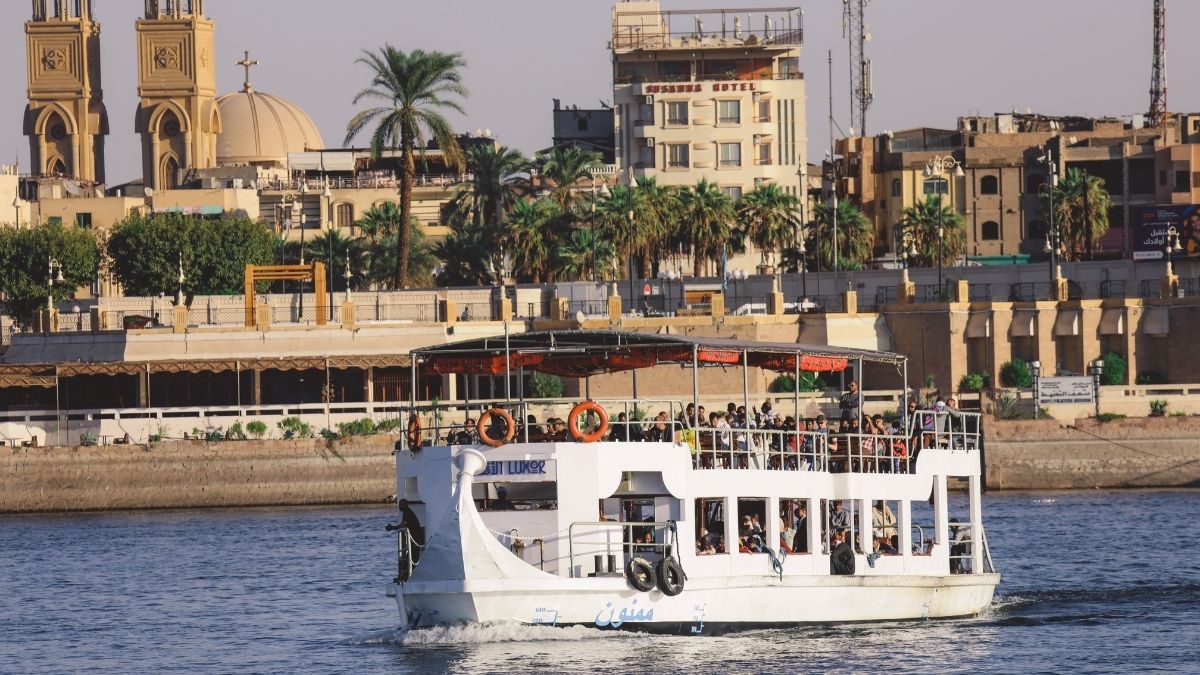
Planning a Nile cruise between Luxor and Aswan depends largely on weather conditions along the Nile Valley. The region has a hot desert climate, meaning temperature, sunshine intensity, and seasonal winds strongly influence the cruise experience.
Understanding when the weather is most comfortable can help travelers enjoy temple visits, river views, and outdoor excursions without extreme heat.
Climate Along the Nile Valley
The stretch of the Nile between Luxor and Aswan lies in southern Egypt, where the climate is extremely dry with clear skies most of the year.
Key climate characteristics include
- Very low rainfall, often less than 2 mm annually
• Strong sunshine with more than 10 hours per day in most seasons
• Large temperature swings between day and night, especially in winter
Summer temperatures can become intense, while winter offers more comfortable conditions for sightseeing.
Best Months for a Nile Cruise
The most comfortable period for a Nile cruise is generally between October and April.
During these months, daytime temperatures are pleasant enough for exploring temples and archaeological sites along the river.
Typical weather conditions
October to November
• Daytime temperatures: 28°C to 34°C
• Evenings: 18°C to 22°C
• Warm but manageable heat with calm river conditions
December to February
• Daytime temperatures: 22°C to 26°C
• Nights: 8°C to 12°C
• Cool mornings and evenings, ideal for sightseeing
March to April
• Daytime temperatures: 26°C to 33°C
• Nights: 14°C to 18°C
• Warm spring weather with increasing sunshine
This period is widely considered the peak season for Nile cruises because outdoor conditions remain comfortable for temple visits.
Winter Cruises: The Most Comfortable Season
Winter is the most popular time for cruises between Luxor and Aswan.
The cooler temperatures allow travelers to comfortably explore major historical sites such as
- Valley of the Kings
• Karnak Temple
• Philae Temple
During winter mornings, light jackets may be needed because desert temperatures can drop significantly overnight.
Clear skies during this season also provide excellent photography conditions along the Nile.
Spring Weather and the Khamsin Winds
Spring cruises remain pleasant but travelers should be aware of a regional weather phenomenon called the Khamsin.
The Khamsin Wind is a hot, dry wind that occasionally blows across Egypt between March and May.
When Khamsin events occur, they may bring
- Dusty skies
• Sudden temperature spikes above 38°C
• Reduced visibility for a day or two
However, these events are usually short lived and cruise itineraries generally continue without major disruption.
Summer Cruises: Very Hot but Less Crowded
From May to September, the Nile Valley experiences extreme heat.
Typical summer conditions include
- Daytime temperatures: 38°C to 45°C
• Night temperatures: 24°C to 30°C
• Intense sunshine and very dry air
Cruise ships still operate during this period, but most sightseeing activities are scheduled early in the morning to avoid peak afternoon heat.
The advantage of summer travel is fewer crowds and often lower cruise prices.
Why Weather Matters for Temple Visits
Many attractions along the Luxor Aswan route involve outdoor walking under direct sun.
Sites such as the massive courtyards of Karnak Temple or the desert landscape surrounding the Valley of the Kings offer limited shade. Cooler months make exploring these archaeological locations far more comfortable.
River breezes along the Nile can help moderate temperatures slightly, especially during sunset sailing.
Ideal Weather Window for Travelers
For most visitors, the best weather window for a Nile cruise is
- Late October to early December
• February to early April
These periods balance warm sunshine with manageable daytime temperatures and cooler evenings.
Final Weather Tip for Nile Travelers
The desert climate of Upper Egypt means sun exposure can be intense even during winter. Travelers should carry sunscreen, sunglasses, and plenty of water when exploring outdoor sites between Luxor and Aswan.