The Unique Climate of Cyrene and Jabal al Akhdar
The ancient Greek city of Cyrene sits within the elevated hills of Jabal al-Akhdar in eastern Libya. Unlike most Libyan landscapes dominated by desert climate, this region experiences a noticeably milder Mediterranean weather pattern.
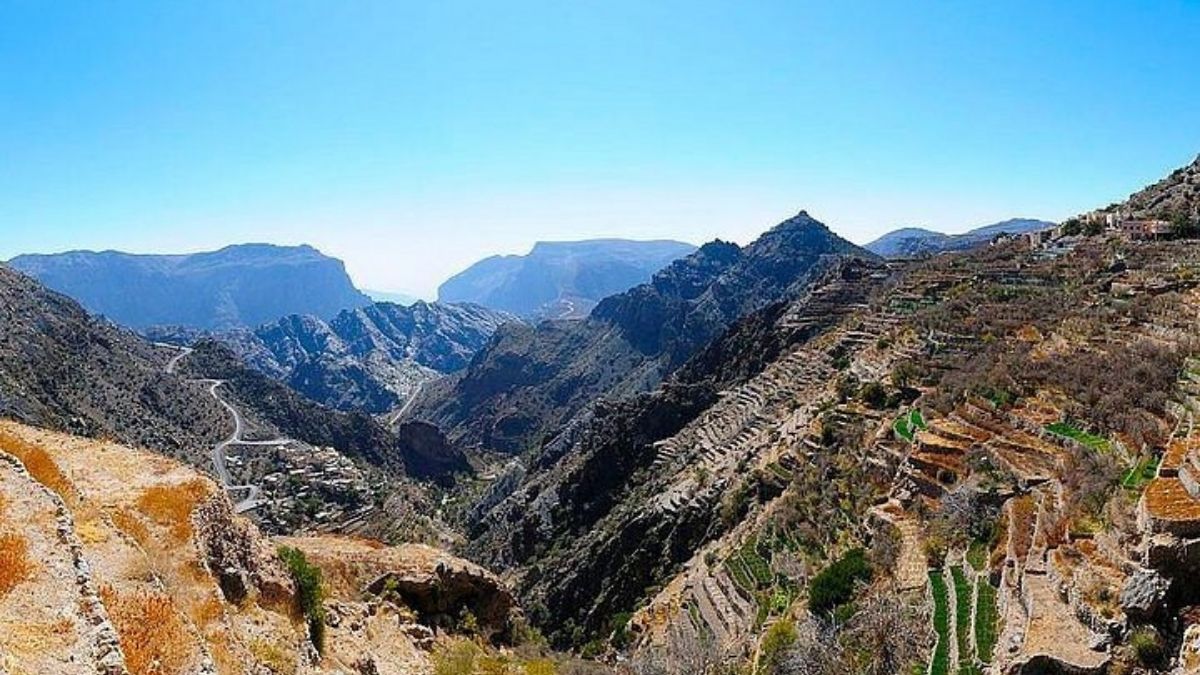
Because of its elevation between 500 and 900 meters above sea level, the Green Mountain receives more rainfall and cooler temperatures than the surrounding coastal plains. This microclimate makes Cyrene one of the most comfortable historical sites to explore in North Africa.
Average temperatures in the region vary seasonally
- Winter: 8°C to 15°C
• Spring: 14°C to 22°C
• Summer: 24°C to 32°C
• Autumn: 18°C to 26°C
Rainfall is concentrated between November and March, giving the mountains their famous greenery and the name Green Mountain.
Why Spring Is the Best Season to Visit Cyrene
Spring between March and May is widely considered the best time to explore Cyrene and the surrounding Jabal al Akhdar plateau.
During this period
- Daytime temperatures remain comfortable between 18°C and 24°C
• Wildflowers bloom across the hillsides
• Visibility is excellent for exploring ruins and valleys
• Humidity remains relatively low
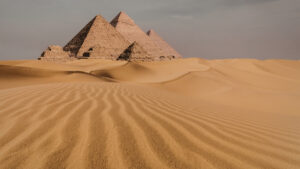
The lush landscape stands in sharp contrast to Libya’s typical desert scenery, making spring an ideal season for archaeology enthusiasts and photographers.
Summer Weather in the Green Mountain
Summer in Jabal al Akhdar is warmer but still milder than many parts of Libya due to the region’s elevation and Mediterranean influence from the nearby coast.
Typical summer conditions include
- Daytime temperatures: 27°C to 32°C
• Cooler evenings around 20°C to 23°C
• Dry air with minimal rainfall
Occasional hot winds from the Sahara can raise temperatures quickly. Locally, these desert wind events resemble the hot “Ghibli” winds known across North Africa, bringing dusty air and short heat spikes.
Despite this, mornings and evenings remain pleasant for walking through Cyrene’s ancient temples and amphitheaters.
Autumn: A Quiet and Comfortable Travel Window
Autumn from September to November offers another excellent weather window for visiting Cyrene.
Temperatures gradually drop after the intense summer heat
- September: around 28°C daytime
• October: 22°C to 25°C
• November: 18°C to 22°C
The return of light rainfall toward late autumn refreshes the hills and improves air clarity, making it easier to explore the extensive archaeological remains.
Winter Conditions in Jabal al Akhdar
Winter is the wettest season in the Green Mountain region. While snowfall is extremely rare, the area receives much more precipitation than the rest of Libya.
Typical winter weather features
- Temperatures between 8°C and 15°C
• Occasional fog in higher elevations
• Periodic Mediterranean storms
These rains sustain the forests and fertile soils that distinguish Jabal al Akhdar from the surrounding desert landscape.
Why Weather Makes Cyrene Unique in Libya
Cyrene’s climate is one of the main reasons the ancient Greeks chose this location nearly 2600 years ago. The fertile hills of Jabal al Akhdar provided a rare agricultural zone in eastern Libya.
Even today the region remains greener than most of the country, with
- Olive groves
• Pine forests
• Seasonal wildflowers
• Cooler mountain air
For travelers exploring the historic sites of Cyrene, the mild climate allows longer outdoor visits compared with the extreme heat common in other Libyan regions.
Final Weather Tip for Visitors
If you plan to explore Cyrene and the Green Mountain, the safest and most comfortable travel window is between March and early May or October.