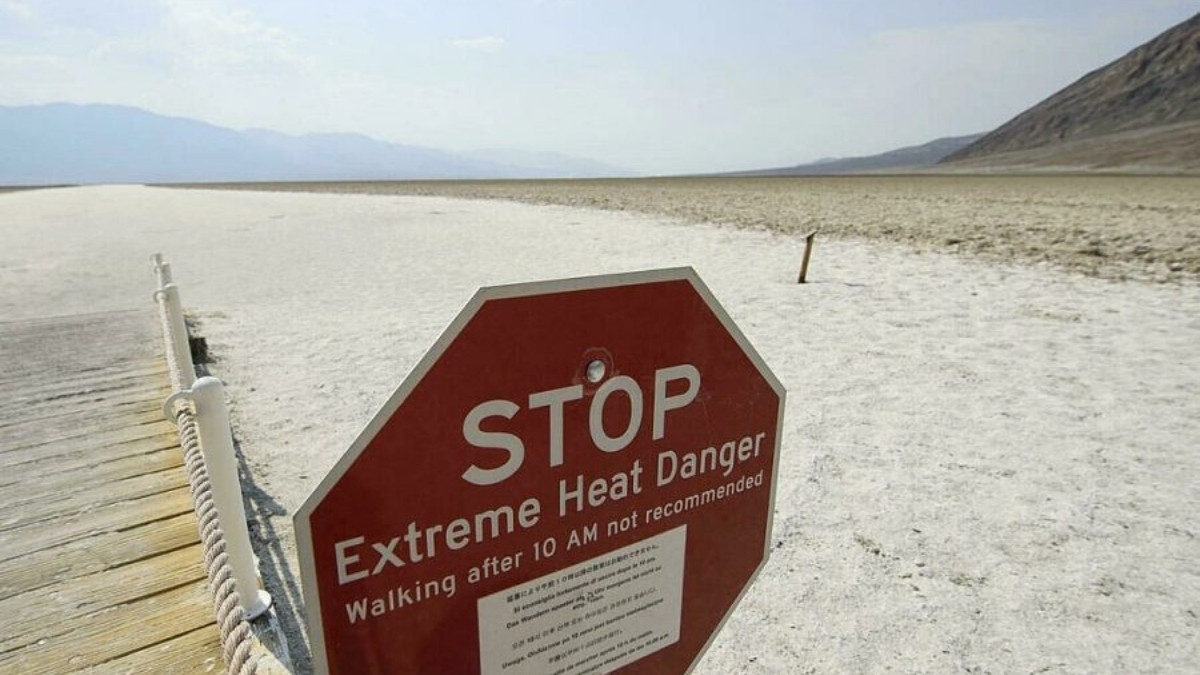
Hot, dry gusts from the desert periodically sweep across Marrakesh, rapidly pushing temperatures far above seasonal averages. Locally known as the Chergui wind, this weather pattern originates from the interior deserts of Morocco and carries scorching air toward cities along the foothills of the Atlas Mountains.
During Chergui events, daytime temperatures in Marrakesh can climb from a normal 30°C to 35°C up to 40°C or even 45°C within hours. The wind also drives extremely dry air from the Sahara Desert, creating challenging conditions for residents, travelers, and agriculture.
What Is the Chergui Wind
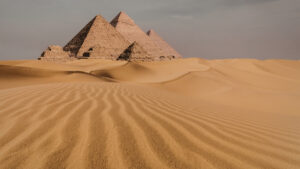
The Chergui wind is a hot continental wind that blows westward from the Sahara toward northern and western Morocco.
Unlike coastal breezes influenced by the Atlantic Ocean, Chergui winds carry heated desert air masses inland. When they reach Marrakesh, the result is sudden heat, dusty skies, and very low humidity.
Key characteristics include
- Rapid temperature increases of 8°C to 12°C
• Relative humidity sometimes falling below 15 percent
• Dry, dusty air reducing visibility
• Strong gusts that can persist for several hours or a full day
These winds are most common from late spring through early autumn.
Why Marrakesh Feels the Chergui So Strongly
Marrakesh sits on the inland plains north of the Atlas Mountains, making it highly exposed to desert air surges.
When pressure systems over the Sahara strengthen, hot air moves northwest. Without ocean influence to moderate temperatures, Marrakesh often experiences the full intensity of the Chergui.
Weather conditions during a Chergui episode typically include
- Daytime temperatures between 38°C and 45°C
• Overnight temperatures remaining above 28°C
• Hazy skies from desert dust
• Very dry air that increases dehydration risk
For locals, these winds are a familiar part of summer weather.
Effects on Daily Life and Tourism
The Chergui wind affects both daily routines and tourism across Marrakesh.
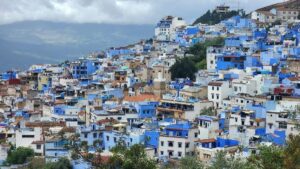
Outdoor activity becomes difficult during peak heat hours, especially in the historic medina and open markets where shade is limited.
Common impacts include
- Increased heat stress for pedestrians and workers
• Higher demand for water and cooling
• Dust accumulation across streets and rooftops
• Reduced air quality during strong desert gusts
Hotels and riads often adjust schedules for tours and excursions when Chergui winds arrive.
Impact on Agriculture and Environment
Beyond the city, the Chergui wind can stress crops across central Morocco.
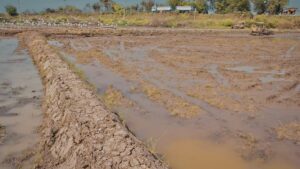
The hot, dry airflow accelerates soil moisture loss and increases evaporation rates. Farmers sometimes see rapid drying of olive groves, citrus orchards, and vegetable fields during prolonged events.
Dust carried from the Sahara can also deposit fine sand across farmland.
When Chergui Winds Are Most Likely
Meteorologists usually observe Chergui conditions during periods of strong high pressure over the Sahara combined with inland low pressure near Morocco’s Atlantic coast.
Peak months include
- May
• June
• July
• August
Events often last from several hours to two days before cooler Atlantic air gradually returns.
Safety Tips During a Chergui Event
When the Chergui wind hits Marrakesh, simple precautions can reduce health risks.
- Drink water frequently throughout the day
• Avoid outdoor activity between 12:00 and 16:00
• Wear light clothing and sun protection
• Keep windows partially closed during dusty gusts