Summer heat along the Mediterranean coast of Lebanon can feel intense, especially in Beirut where humidity from the sea pushes the heat index higher than the actual temperature. Just one to two hours inland, the Shouf Mountains offer a dramatically cooler climate due to elevation and mountain airflow.
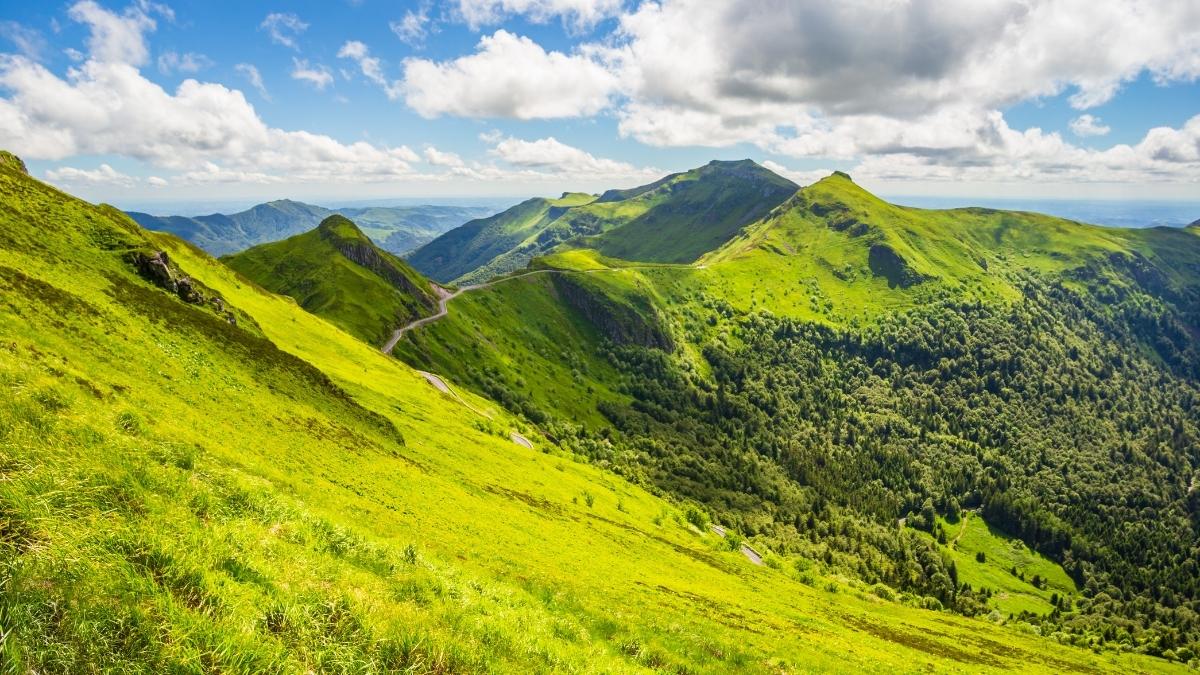
Located within the greater Mount Lebanon region, the Shouf Mountains rise to elevations between 1,000 and 2,000 meters. This altitude reduces both temperature and humidity, creating one of Lebanon’s most refreshing summer escapes.
Elevation Creates a Natural Cooling Effect
Temperature differences between Beirut and the Shouf Mountains can be significant during summer.
Beirut often records afternoon temperatures between 30°C and 33°C with humidity levels above 70 percent. In contrast, many villages in the Shouf Mountains experience temperatures between 22°C and 26°C during the same period.
Cooler conditions occur because air temperatures drop roughly 6.5°C for every 1,000 meters of elevation gain. The mountains also benefit from stronger afternoon breezes flowing inland from the Mediterranean.
Why Humidity Drops in the Mountains
Humidity decreases quickly as you climb away from the coast. Moist sea air loses some of its moisture while moving uphill across Mount Lebanon.
In Beirut the air often feels heavy and sticky. In the Shouf region the air becomes noticeably drier and lighter, making outdoor activities far more comfortable.
Typical summer differences include
- Beirut humidity frequently between 65 percent and 80 percent
• Shouf Mountains humidity commonly between 40 percent and 55 percent
• Noticeably cooler nights in the mountains with temperatures falling to 16°C to 19°C
These cooler nights are one of the biggest reasons many Lebanese families travel to mountain villages during the summer months.
Mountain Microclimates and Cedar Forests
The Shouf region is famous for its forest ecosystems, particularly around the Barouk Cedar Forest. Dense cedar and pine forests create local microclimates that help regulate temperature.
Tree cover reduces direct solar heating and increases shade, allowing hiking trails and mountain villages to remain cooler even during midday.
Afternoon upslope winds also develop regularly during summer. These winds transport cooler air from higher elevations toward populated villages.
Popular Summer Activities in the Shouf
Because of the comfortable weather, the Shouf Mountains become a hub for outdoor tourism between June and September.
Common activities include
- Hiking through cedar forests and mountain trails
• Visiting traditional villages such as Deir El Qamar and Beiteddine
• Evening terrace dining in cool mountain air
• Wildlife observation in the Shouf Biosphere Reserve
Even during regional heatwaves, temperatures here rarely reach the extreme levels seen along the Lebanese coast.
Best Time of Day to Enjoy the Mountains
Morning conditions are typically the most stable for hiking and outdoor exploration. Temperatures often range between 18°C and 22°C before midday warming begins.
Late afternoon and sunset hours are also pleasant as mountain breezes strengthen and temperatures gradually fall.
These daily cooling patterns make the Shouf Mountains one of the most comfortable summer environments in Lebanon.
Weather Awareness for Mountain Visitors
While the Shouf Mountains offer relief from Beirut’s humidity, mountain weather can change quickly. Afternoon clouds or brief thunderstorms occasionally develop due to rising warm air.
Visitors should keep a few precautions in mind
- Carry light layers because temperatures drop quickly after sunset
• Stay hydrated during hikes at higher elevations
• Monitor local weather forecasts before long mountain treks