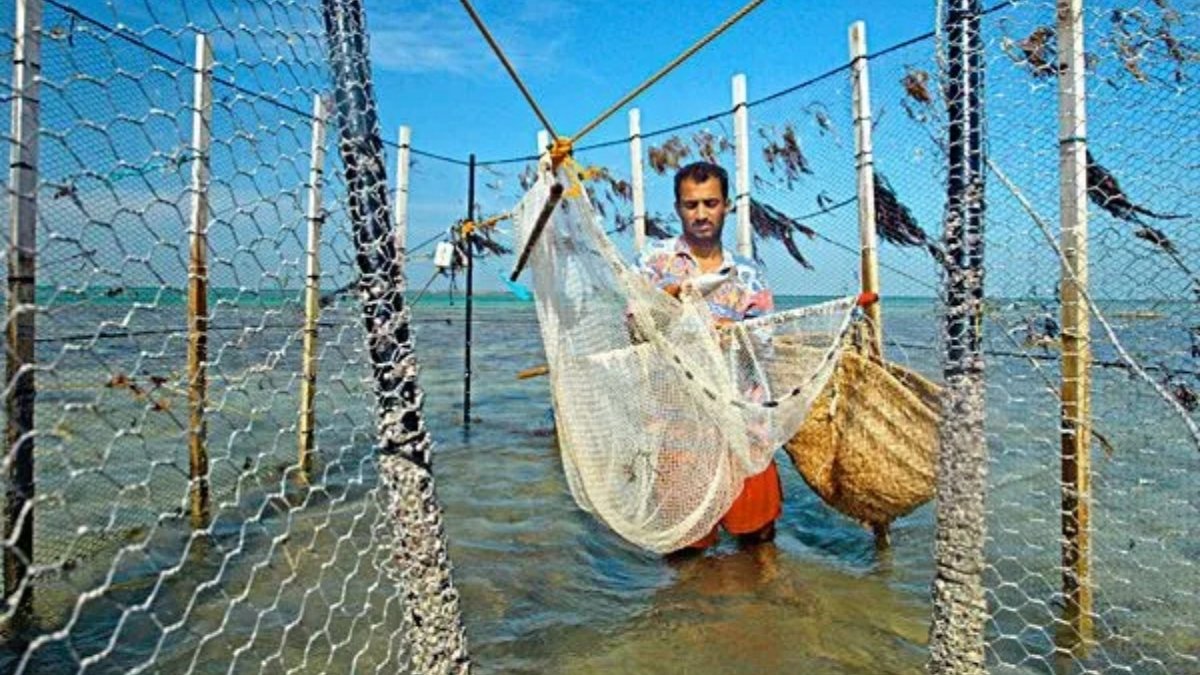
Bahrain’s fishing community works in waters where tide movements and shifting winds can change conditions within hours. In the shallow waters of the Arabian Gulf, even moderate winds can quickly create rough seas, making it essential for fishermen to understand how tides and winds interact before heading out.
For small fishing boats operating around Bahrain’s islands, reading marine weather forecasts is just as important as checking fishing gear.
The Importance of Tides in Bahrain’s Waters
Bahrain experiences semi diurnal tides, meaning the sea level rises and falls twice each day. These tidal shifts influence fishing conditions, boat navigation, and access to shallow fishing grounds.
During strong tidal movement, currents become faster, especially in narrow channels and coastal shallows.
Key points Bahraini fishermen should monitor
- High tide often allows boats to access shallow reef areas and traditional fishing spots.
• Low tide can expose sandbanks and coral patches, creating navigation risks.
• Tidal currents are strongest between rising and falling tide periods.
• Fish activity often increases during changing tides.
Typical tidal differences around Bahrain range between 0.5 meters and 2 meters depending on lunar phases.
Wind Patterns in the Arabian Gulf
Wind plays a major role in sea conditions around Bahrain. Even winds between 15 and 25 km per hour can produce short steep waves due to the Gulf’s shallow depth.
The most common regional winds include
- Shamal wind
A strong northwesterly wind that can last several days. It creates rough seas and blowing dust, especially in winter and early summer. - Easterly coastal winds
These lighter winds usually occur during calm weather and create more stable fishing conditions. - Sudden gusty winds during thunderstorms
Although rare, convective storms in summer can produce sudden wind bursts and dangerous waves.
When wind speeds exceed 30 to 35 km per hour, small fishing vessels should avoid offshore areas.
Best Time of Day for Fishing Conditions
Most Bahraini fishermen prefer early morning departures because marine conditions are usually calmer.
Typical daily pattern
- Early morning winds 5 to 10 km per hour
• Afternoon winds rising to 15 to 25 km per hour
• Evening conditions becoming calmer again after sunset
Sea surface temperatures in Bahrain range from
- Winter 18 to 22°C
• Spring 22 to 27°C
• Summer 30 to 34°C
• Autumn 26 to 30°C
These temperatures influence fish migration and feeding patterns.
Reading Marine Forecasts Before Departure
A quick weather check can prevent dangerous situations at sea.
Important forecast elements include
- Wind speed and direction
• Wave height forecasts
• Tide timing and height
• Visibility during dust events
• Thunderstorm warnings
During Shamal events, waves in the Gulf can exceed 1.5 to 2 meters, which is dangerous for smaller fishing boats.
Traditional Knowledge Used by Bahraini Fishermen
Local fishermen often combine modern forecasts with traditional knowledge passed down through generations.
Examples include
- Watching cloud movement over the Gulf
• Monitoring wind direction changes at dawn
• Observing seabird activity near fishing grounds
• Checking water color and current strength
These observations often provide early warning signs of changing marine conditions.
Navigational Risks Around Bahrain
Several environmental factors can quickly affect safety at sea.
Common hazards include
- Sudden wind shifts
• Strong tidal currents near reefs
• Sandbanks appearing during low tide
• Reduced visibility during dust storms
Because the Arabian Gulf is relatively shallow, waves can become choppy and unpredictable even during moderate winds.
Final Safety Advice for Fishermen
Before leaving the harbor, always check the latest marine weather forecast, tide schedule, and wind conditions. If Shamal winds are forecast or wind speeds exceed safe limits, delaying the trip could prevent serious danger at sea.