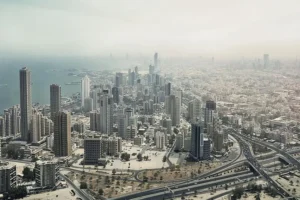
Qatar’s coastline is increasingly exposed to rising sea levels, higher humidity, and persistent salt-laden winds from the Arabian Gulf. Coastal districts such as Doha’s waterfront developments, Lusail, and Al Wakrah face gradual structural wear due to salt corrosion and periodic coastal flooding.
Average summer temperatures in Qatar range between 38°C and 45°C, while humidity along the coast can exceed 80%. These conditions accelerate salt crystallization on building surfaces, damaging concrete, metal structures, and exterior finishes.
For property owners, understanding how coastal weather interacts with building materials is essential to protecting homes, villas, and commercial developments.
Rising Sea Levels and Coastal Flood Risk
Although sea level rise in the Arabian Gulf occurs slowly, its long-term impact on low-lying coastal areas is significant. Even minor increases in sea levels can worsen storm surge effects during strong shamal winds or seasonal storms.
Potential risks include
- Flooding in underground parking and basements
• Increased coastal erosion near waterfront properties
• Damage to foundations from saltwater intrusion
• Higher maintenance costs for waterfront buildings
Urban expansion along Qatar’s coastline means more infrastructure is directly exposed to these environmental pressures.
Salt Air and Structural Damage
Salt carried by humid Gulf winds is one of the most damaging environmental factors for coastal properties in Qatar. Microscopic salt particles settle on buildings and gradually corrode metal components.
Common damage caused by salt air includes
- Rusting of steel railings, balconies, and fixtures
• Cracking and weakening of reinforced concrete
• Paint and coating deterioration
• Faster aging of HVAC systems and outdoor equipment
Without protective treatments, corrosion can appear within a few years in coastal environments.
Building Materials That Resist Salt Damage
Choosing the right materials is the most effective way to protect coastal structures in Qatar’s climate.
Recommended materials include
- Marine-grade stainless steel for railings and hardware
• Salt-resistant concrete with corrosion inhibitors
• Aluminum or powder-coated metal structures
• Weather-resistant exterior paints and sealants
• UV-resistant window frames and coatings
Modern coastal construction in Qatar increasingly uses these materials to extend building lifespan.
Smart Design for Coastal Protection
Architectural design can significantly reduce environmental damage. Coastal homes and buildings should be designed to withstand humidity, wind-driven salt, and occasional flooding.
Effective design strategies include
- Elevated foundations or raised ground floors
• Proper drainage systems around the property
• Protective sea walls or landscaped buffers
• Wind-resistant windows and sealed exterior joints
Ventilation systems should also be designed to reduce indoor humidity, which can worsen corrosion and mold growth.
Maintenance Practices for Coastal Properties
Regular maintenance is critical in Gulf coastal climates. Even the most durable materials require routine care.
Essential maintenance steps include
- Washing exterior surfaces with fresh water to remove salt deposits
• Inspecting metal fixtures for early corrosion
• Reapplying protective coatings every few years
• Cleaning HVAC units and outdoor equipment regularly
Property managers in Doha often schedule quarterly inspections for waterfront buildings due to these environmental stresses.
Climate Trends Affecting Qatar’s Coastline
Climate projections suggest that rising temperatures and increasing humidity in the Arabian Gulf may intensify coastal weather impacts. Stronger shamal winds and occasional heavy rainfall events could also increase localized flooding risks.
As coastal developments expand across Qatar, climate-resilient construction is becoming a priority for urban planners and property developers.
Final Thought
Coastal living in Qatar offers stunning waterfront views, but it also requires preparation for salt air and rising sea levels.