Why Sandstorms Damage Your Skin
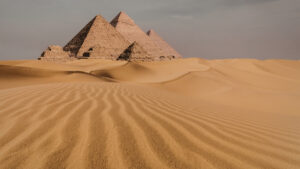
Sandstorms are common across North Africa and the Middle East, especially during seasonal wind events like Egypt’s Khamaseen, Libya’s Ghibli, and the Shamal winds across the Arabian Peninsula. These storms carry fine sand and dust particles that move at high speeds and act like microscopic abrasives against the skin.
Temperatures during these events often range between 28°C and 45°C, while humidity remains extremely low. This combination strips moisture from the skin and increases irritation, redness, and dryness.
Fine dust particles can also clog pores, trigger breakouts, and worsen conditions such as eczema and dermatitis.
How Sand and Dust Affect Facial Skin
During a sandstorm, particles can travel hundreds of kilometers. Many of these grains are small enough to penetrate skin pores and damage the protective skin barrier.
Common effects include:
- Dry and cracked skin
• Redness and inflammation
• Increased acne or clogged pores
• Burning sensation on exposed areas
• Premature skin aging due to repeated abrasion
People working outdoors in deserts or coastal regions are particularly vulnerable.
Essential Sandstorm Skincare Protection
Protecting your face during dusty conditions requires both physical barriers and proper skincare products.
Key protection strategies include:
- Apply a thick moisturizer to create a protective barrier on the skin
• Use sunscreen with SPF 30 or higher even during dusty conditions
• Wear wraparound sunglasses to shield the eye area
• Cover the lower face with a scarf or breathable mask
• Avoid heavy makeup that traps dust particles
Barrier creams and hydrating lotions are especially helpful when temperatures exceed 35°C.
Best Skincare Products During Dust Storms
Not all skincare products perform well in dry desert conditions. Some products can actually trap dust or worsen irritation.
Recommended options include:
- Fragrance free moisturizers
• Mineral based sunscreen
• Gentle hydrating cleansers
• Aloe vera gel for soothing irritation
• Lightweight hydrating serums containing hyaluronic acid
Avoid alcohol based toners and harsh exfoliants during sandstorm periods because the skin barrier is already stressed.
How to Clean Your Skin After Exposure
After exposure to a sandstorm, cleansing the skin correctly is critical.
Follow these steps:
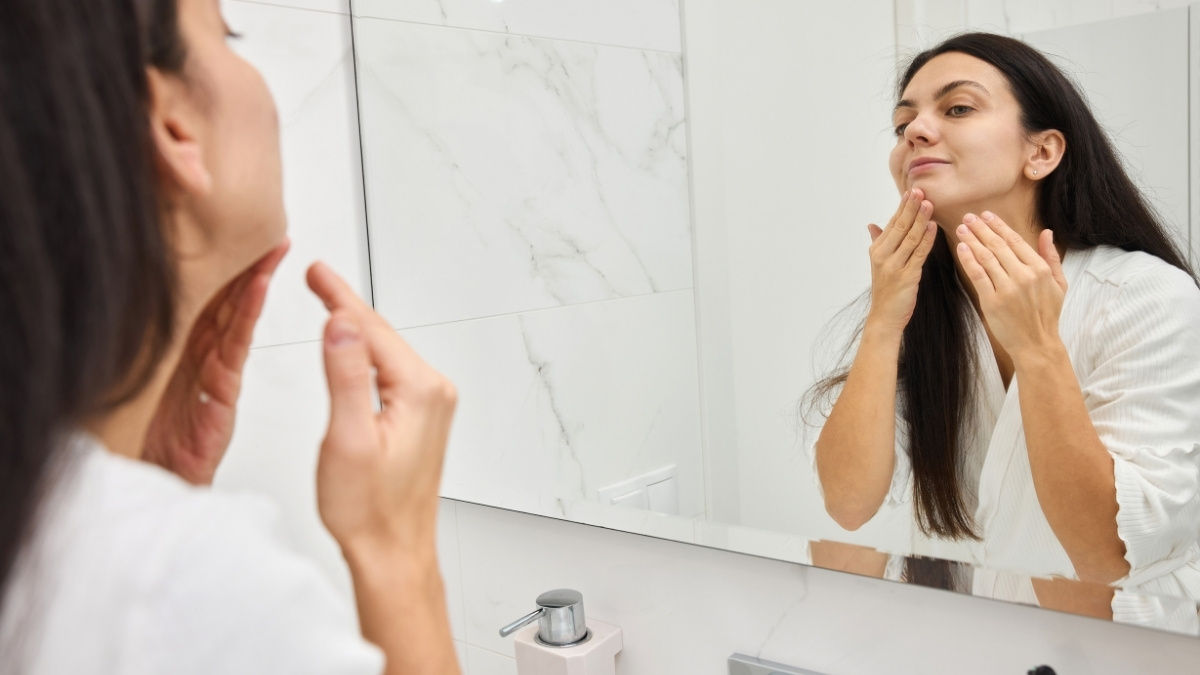
- Wash your face with lukewarm water and a gentle cleanser
• Avoid scrubbing or rough towels
• Apply a soothing moisturizer immediately after cleansing
• Use a calming product like aloe or panthenol to reduce inflammation
Cleaning the skin within 30 minutes after exposure helps remove abrasive particles before they cause deeper irritation.
High Risk Regions for Dust Storms
Several areas across the MENA region experience frequent sandstorms that can impact skin health.
These include:
- The Sahara Desert region in Algeria and Libya
• Egypt’s Nile Valley during Khamaseen season
• Saudi Arabia and Kuwait during Shamal winds
• Southern Iraq and eastern Syria dust corridors
During peak seasons, visibility can drop below 500 meters while wind speeds exceed 40 km/h.
Final Weather Safety Tip
When a sandstorm warning is issued, the best protection for your skin is limiting outdoor exposure. Cover your face, hydrate your skin frequently, and wash off dust quickly after returning indoors.