What Is a Wadi and Why It Can Become Dangerous
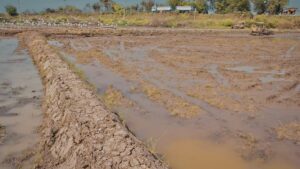
A wadi is a dry riverbed commonly found across the Middle East and North Africa. For most of the year, these valleys appear completely dry, especially in desert regions of Saudi Arabia, Oman, the UAE, Algeria, and Morocco.
However, wadis are designed by nature to carry sudden water runoff. When rain falls in nearby mountains or plateaus, water can rush through these channels within minutes, turning a quiet valley into a powerful flood stream.
Even if the sky above the wadi looks clear, rainfall many kilometers away can trigger a dangerous flash flood.
How Flash Floods Form in Desert Regions
Flash floods in the MENA region often develop rapidly due to the desert’s hard, compact soil. Instead of soaking into the ground, rainfall runs quickly over the surface and collects in valleys.
Key conditions that trigger flash floods include
- Intense thunderstorms during transitional seasons such as autumn and spring
• Rainfall over mountain ranges like the Atlas Mountains or the Hajar Mountains
• Short but heavy downpours producing 20 to 50 mm of rain in less than an hour
• Dry desert terrain that cannot absorb water quickly
In many cases, a completely dry wadi can turn into a fast-moving river in less than 10 minutes.
Why Crossing a Dry Wadi Is Extremely Risky
Many travelers underestimate the danger of wadis because they appear harmless most of the time. But during storms, they can become deadly traps.
Here are the main risks
- Water levels can rise suddenly without warning
• Flood currents can reach speeds of 30 to 40 km/h
• Vehicles can be swept away by water only 30 cm deep
• Debris such as rocks, branches, and mud increases impact force
Several fatal incidents in the Gulf region occur every year when drivers attempt to cross flooded wadis.
Warning Signs That a Flash Flood May Be Coming
Recognizing early warning signals can save lives. Even small changes in the environment can indicate that a flood is approaching.
Watch for these signs
- Dark thunderstorm clouds forming over nearby mountains
• Sudden drops in temperature, often falling from 35°C to around 25°C during storms
• Distant roaring sounds from upstream valleys
• Water beginning to flow or pool in normally dry channels
If any of these conditions appear, it is safest to leave the wadi area immediately.
Regions in MENA Where Wadi Floods Are Most Common
Flash floods occur regularly across many parts of the Middle East and North Africa.
High risk areas include
- Oman and the UAE mountain wadis during autumn storms
• Western Saudi Arabia near the Red Sea hills
• Morocco’s Atlas foothills during spring rainfall
• Southern Algeria desert valleys after rare thunderstorms
These floods are unpredictable and can occur even during relatively short rain events.
Essential Flash Flood Safety Tips
If you are traveling or driving in desert regions, following simple precautions can prevent disaster.
Important safety steps include
- Never enter a wadi if rain is falling anywhere nearby
• Avoid camping or parking in dry riverbeds
• Check weather forecasts before desert travel
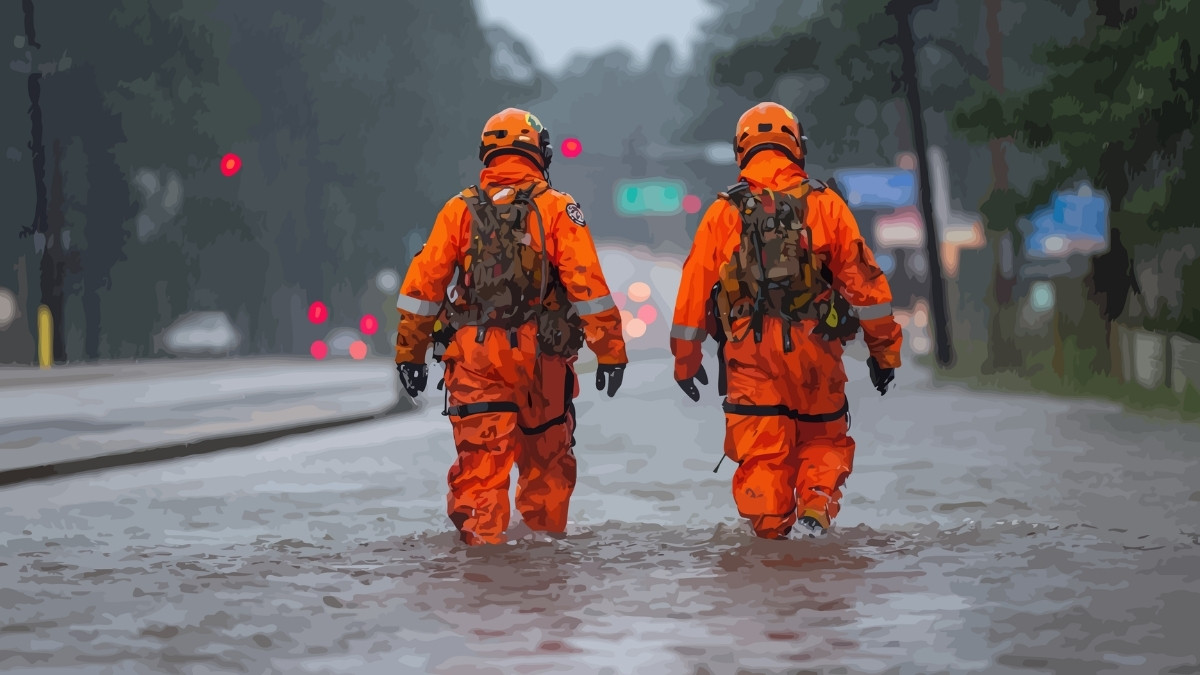
• Turn around immediately if you see flowing water across a road
• Move to higher ground during storms
Even experienced desert travelers treat wadis with extreme caution during rainy weather.
Final Safety Reminder
A dry wadi may look safe, but during storms it can become one of the most dangerous places in the desert. Flash floods develop fast, travel with immense force, and leave little time to escape.