What Travelers Often Misunderstand
Cold weather in the Middle East and North Africa is not the same everywhere. A night in the Sahara Desert can feel completely different from a night in the Atlas Mountains or Lebanon’s high peaks.
The difference between “desert cold” and “mountain cold” comes from humidity, altitude, wind exposure, and how quickly temperatures drop after sunset. Understanding these factors is essential for packing the right clothing and avoiding dangerous exposure.
What Is Desert Cold
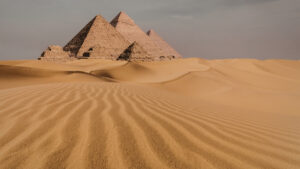
Desert cold is common across regions like the Sahara in Algeria, southern Tunisia, Libya, and the Arabian Peninsula. During the day, temperatures may exceed 25–30°C, but after sunset they can fall sharply.
Typical desert night temperatures:
- Winter nights: 0°C to 5°C
• Spring and autumn nights: 5°C to 10°C
• High desert plateaus can drop below 0°C
The air in deserts is extremely dry. Without clouds or moisture to trap heat, the ground rapidly releases warmth after sunset.
This produces what meteorologists call a strong radiational cooling effect.
Characteristics of desert cold include:
- Very dry air
• Large temperature swings between day and night
• Cold surfaces like sand and rock after sunset
• Minimal wind in many areas
The cold can feel sharp at night, but it is usually easier to manage with layered clothing.
What Is Mountain Cold
Mountain cold behaves differently because altitude plays the biggest role. As elevation increases, temperatures drop roughly 6.5°C per 1,000 meters.
This is why mountain regions across North Africa and the Levant can experience winter-like conditions even when nearby deserts remain warm.
Examples in the MENA region include:
- Atlas Mountains in Morocco
• Mount Toubkal region
• Lebanon’s Mount Lebanon range
• Northern Iraq’s Zagros Mountains
Typical mountain temperatures:
- Winter nights: -10°C to -2°C above 2,000 meters
• Spring nights: -5°C to 5°C
• Summer nights at high altitude: 5°C to 12°C
Mountain cold is often accompanied by wind, snow, and higher humidity compared to deserts.
Key characteristics include:
- Strong winds and wind chill
• Higher humidity or cloud cover
• Snow or freezing rain at high elevations
• Persistent cold even during daytime
Wind chill can make -5°C feel closer to -15°C on exposed ridges.
Why Desert Cold Feels Different
Many travelers underestimate desert nights because the day is warm. But the body loses heat quickly once temperatures collapse after sunset.
However, the dryness means sweat evaporates quickly and clothing layers remain dry.
Desert cold usually feels:
- Dry and sharp
• Noticeable mainly after sunset
• Manageable with insulated layers and a hat
Sleeping bags rated for 0°C or lower are recommended for Sahara winter trekking.
Why Mountain Cold Is Harder
Mountain cold penetrates clothing more easily because wind strips away body heat. Moisture from snow or fog can also make conditions harsher.
Even if temperatures appear similar to desert nights, wind exposure can make mountains significantly colder.
Mountain cold often feels:
- Damp or windy
• Persistent day and night
• Much colder due to wind chill
Proper insulation and windproof layers become essential above 2,000 meters.
Packing for Desert Cold
Travelers visiting deserts in Morocco, Algeria, or Jordan should focus on layered clothing rather than heavy winter gear.
Recommended packing items:
- Thermal base layer
• Fleece or light insulated jacket
• Wind-resistant outer layer
• Warm hat and gloves
• Thick socks for cold sand temperatures
• Sleeping bag rated for 0°C or lower
A scarf or shemagh is also useful to block cold desert winds.
Packing for Mountain Cold
Mountain trips in the Atlas Mountains or Lebanon require more serious cold-weather gear.
Recommended packing items:
- Thermal base layers
• Insulated down or synthetic jacket
• Waterproof and windproof outer shell
• Warm gloves and insulated hat
• Hiking boots with thermal socks
• Neck gaiter or face protection
Snow and wind exposure make waterproof clothing especially important.
The Key Packing Rule
If you remember one rule while traveling in North Africa or the Middle East, it is this:
Desert cold drops fast, but mountain cold stays longer and hits harder.
Deserts require smart layering for rapid temperature changes. Mountains require full insulation and wind protection.
Final Safety Tip
Always check local weather forecasts before heading into deserts or high mountains. In the MENA region, nighttime temperatures can fall below freezing without warning, especially during winter and early spring.