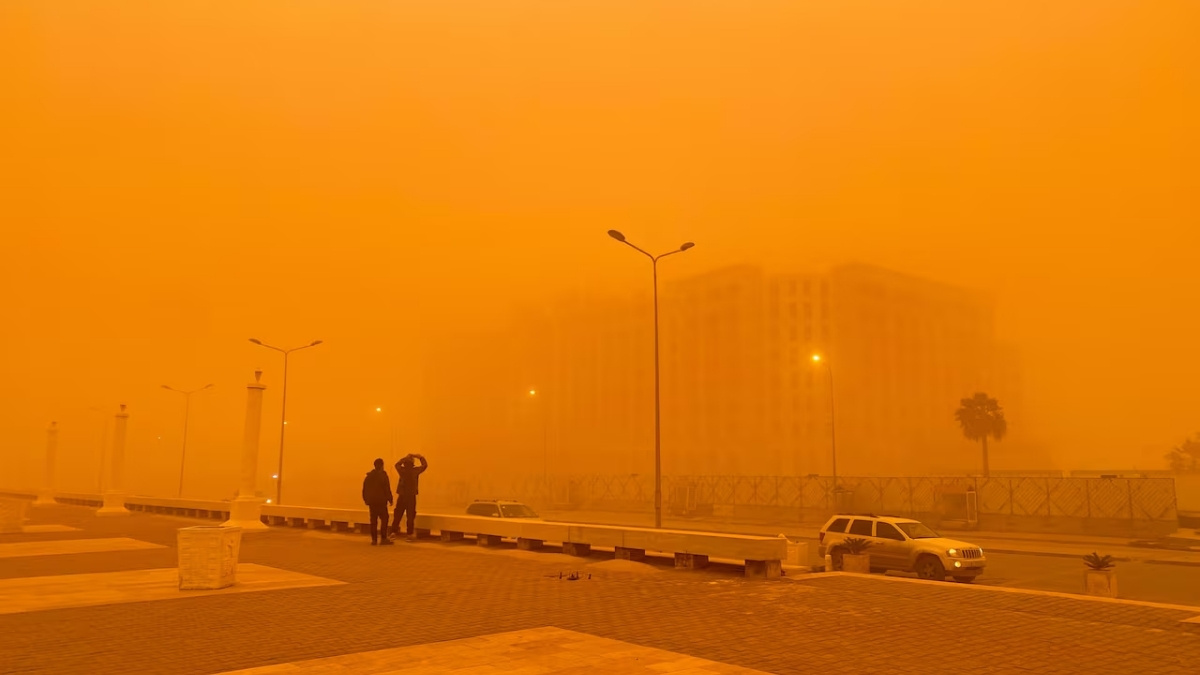
The Ghibli wind is one of the most powerful and disruptive weather phenomena affecting Libya. Blowing from the Sahara Desert toward the Mediterranean coast, this hot, dry wind can rapidly raise temperatures and trigger severe dust storms across cities such as Tripoli, Benghazi, and Sirte.
During a Ghibli event, temperatures can jump from around 25°C to above 40°C within hours. Visibility often drops dramatically due to thick dust clouds, creating dangerous conditions for travel, health, and daily activities.
Understanding how the Ghibli wind forms and how to prepare for it is essential for residents, travelers, and businesses across Libya.
What Is the Ghibli Wind
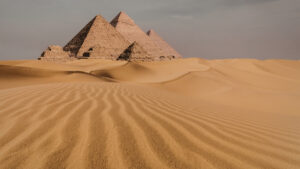
The Ghibli wind is a hot desert wind originating deep within the Sahara. It typically moves northward across Libya when a strong low-pressure system develops over the Mediterranean.
As the wind travels across desert terrain, it picks up fine sand and dust particles. These particles are then carried into populated areas, creating intense dust storms.
Key characteristics of the Ghibli wind include:
- Extremely hot and dry air
• Sudden temperature increases of 10–15°C
• Wind speeds that can exceed 50–70 km/h
• Heavy dust reducing visibility to less than 500 meters
These conditions can last anywhere from several hours to two or three days.
When the Ghibli Wind Usually Occurs
The Ghibli wind can appear at different times of the year, but it is most common during spring and early summer.
Typical seasonal patterns include:
- March to June: Most frequent and intense Ghibli events
• July to August: Less frequent but still possible
• Autumn and winter: Rare occurrences
During strong events, coastal cities like Tripoli may experience temperatures reaching 38°C to 42°C even in spring.
Why the Ghibli Wind Causes Dust Storms
Libya’s geography plays a major role in dust storm formation. Much of the country is covered by arid desert terrain with loose sand and dry soil.
When powerful winds sweep across these areas, large amounts of dust become airborne. The result is a dense dust plume that can travel hundreds of kilometers toward the Mediterranean coast.
Effects of these dust storms include:
- Reduced air quality
• Flight delays or airport closures
• Road accidents due to poor visibility
• Disruptions to outdoor work and transport
In severe cases, visibility can drop below 200 meters, making driving extremely hazardous.
Health Risks During a Ghibli Dust Storm
Dust storms associated with the Ghibli wind can have serious health impacts, especially for people with respiratory conditions.
Fine dust particles can irritate the lungs and eyes. Vulnerable groups include children, elderly individuals, and people with asthma or allergies.
Common symptoms during dust storms:
- Eye irritation and redness
• Coughing or breathing discomfort
• Headaches and fatigue
• Dry skin and dehydration
Temperatures above 40°C combined with dry winds can also increase the risk of heat exhaustion.
How to Prepare for the Ghibli Wind
Preparing for a Ghibli dust storm can significantly reduce risks to health and safety.
Recommended precautions include:
- Monitor local weather alerts and forecasts
• Keep windows and doors tightly closed
• Use masks or cloth coverings outdoors
• Avoid unnecessary travel during peak winds
• Drink plenty of water to prevent dehydration
• Protect electronic equipment from dust
Drivers should also slow down and use headlights when visibility becomes poor.
Impact on Transportation and Daily Life
The Ghibli wind often disrupts daily life across Libya. Dust storms can affect transportation networks and infrastructure in several ways.
Typical impacts include:
- Airport disruptions in Tripoli and Benghazi
• Delays in road transport due to low visibility
• Temporary closure of construction sites
• Reduced tourism activities during storm events
Fishermen along the Mediterranean coast may also face rough sea conditions when strong winds reach coastal waters.
Staying Safe During Libya’s Ghibli Wind
The Ghibli wind is a natural part of Libya’s desert climate, but its sudden intensity makes preparation essential. Staying informed about weather forecasts and limiting outdoor exposure during dust storms can greatly reduce health and safety risks.