Overview of Weather on Mount Toubkal
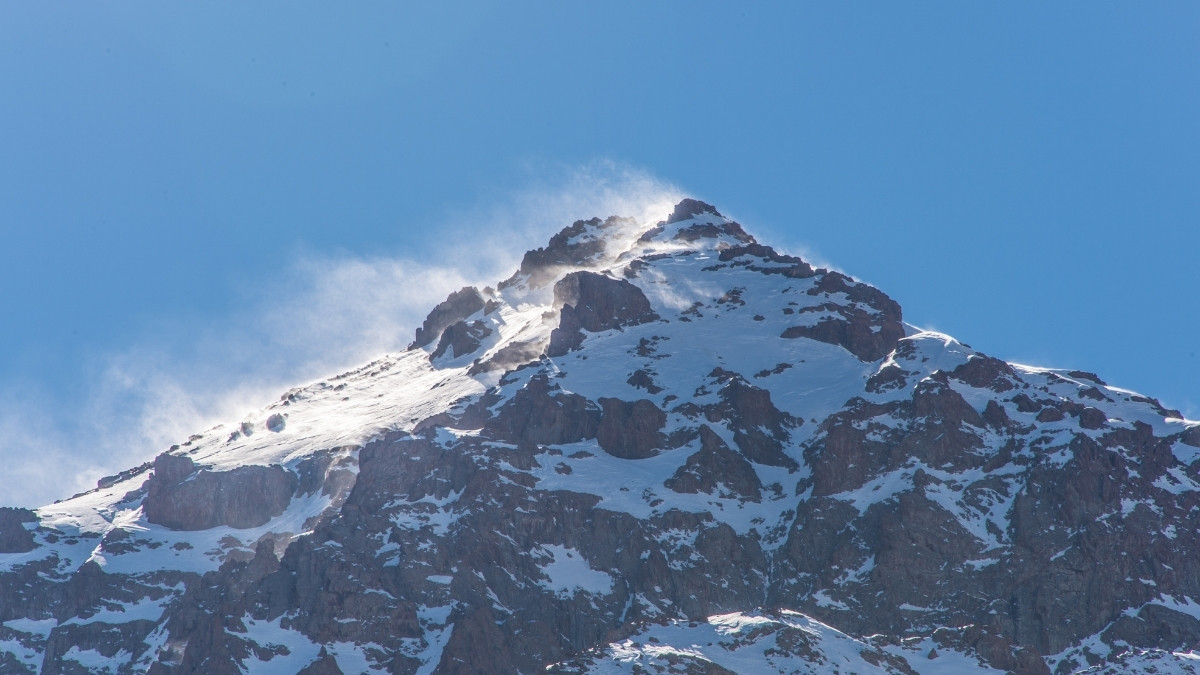
Mount Toubkal, the highest peak in North Africa at 4,167 meters, experiences rapid weather changes throughout the year. Located in Morocco’s High Atlas Mountains, the mountain’s climate shifts sharply between seasons, making weather awareness essential for trekkers.
Temperatures at the summit can drop below freezing even when nearby valleys remain warm. Sudden winds, snowfall, and fog are common, especially above 3,000 meters.
Typical summit temperature ranges:
- Winter: -15°C to -5°C
• Spring: -5°C to 5°C
• Summer: 5°C to 15°C
• Autumn: -3°C to 10°C
Trekkers should always check updated weather alerts before attempting the climb.
Winter Trekking Conditions (December to February)
Winter is the most challenging season for trekking Mount Toubkal. Heavy snowfall frequently covers the upper slopes, turning the standard trekking route into a technical climb.
Key winter weather risks include:
- Deep snow accumulation above 3,200 meters
• Avalanche-prone slopes after fresh snowfall
• Strong mountain winds exceeding 60 km/h
• Night temperatures dropping below -15°C
Climbers usually require crampons, ice axes, and winter mountaineering experience. Weather alerts from local guides in Imlil village are critical during this season.
Spring Season: Snow Melt and Unstable Weather (March to May)
Spring brings warmer temperatures but also unpredictable weather patterns. Snow begins melting across the High Atlas, creating slippery trails and occasional rockfall.
Typical spring conditions include:
- Daytime temperatures between 5°C and 15°C at mid-altitudes
• Snow patches remaining above 3,000 meters
• Afternoon clouds and sudden rain showers
• Strong valley winds known locally as mountain gust fronts
Visibility can change quickly as fog forms along the ridges.
Summer Trekking Season (June to August)
Summer is the most popular time for trekking Mount Toubkal. Snow disappears from most routes, and the weather becomes generally stable.
However, the altitude still creates cooler summit conditions.
Typical summer weather patterns:
- Day temperatures in Imlil valley: 25°C to 32°C
• Summit temperatures: 5°C to 15°C
• Strong UV exposure at high altitude
• Occasional afternoon thunderstorms
Trekkers often begin the summit push before sunrise to avoid midday heat and sudden storms.
Autumn: The Most Stable Trekking Weather (September to November)
Autumn is considered the best season for trekking Mount Toubkal. The weather becomes dry and stable, while temperatures remain comfortable for long hikes.
Typical autumn trekking conditions include:
- Clear skies and excellent visibility
• Daytime temperatures between 10°C and 20°C at base villages
• Summit temperatures around -3°C to 10°C
• Lower wind speeds compared to winter
By late November, early snowfall can begin returning to the summit.
Weather Alerts Trekkers Should Watch
Weather in the High Atlas can change rapidly within hours. Trekkers should monitor key weather alerts before starting their ascent.
Important warnings include:
- Sudden temperature drops above 3,500 meters
• High wind advisories across exposed ridges
• Fresh snowfall increasing avalanche risk
• Thunderstorm alerts during summer afternoons
Local mountain guides and refuge staff often provide the most reliable updates.
Final Safety Advice for Toubkal Trekkers
Mount Toubkal may be considered a trekking peak, but weather remains the biggest challenge. Even experienced hikers can struggle when wind, snow, or fog appear suddenly at high altitude.