Salalah Khareef 2026 is expected to begin in late June, with early monsoon moisture already forecast to build over southern Oman. Hotel availability historically drops sharply by the first week of July as GCC travelers secure cooler escapes from extreme summer heat.
If you are planning a trip to Salalah this year, booking by June is not optional. It is strategic.
What Makes Salalah Khareef So Unique
Khareef is the seasonal southwest monsoon that transforms Salalah into a green landscape while most of the Arabian Peninsula faces temperatures above 45°C.
During Salalah Khareef:
- Daytime temperatures average between 22°C and 28°C
• Night temperatures hover around 20°C to 24°C
• Persistent mist and light drizzle, locally called “drizzle” or monsoon fog, reduce visibility
• Mountain slopes in the Dhofar region turn lush and vibrant
This cooling effect is caused by moisture-laden winds from the Arabian Sea interacting with the Dhofar Mountains.
Why 2026 Demand Is Expected to Be Higher
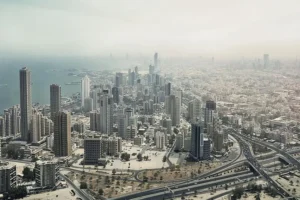
Travel demand to Salalah has increased consistently in recent years from the UAE, Saudi Arabia, and Qatar. As summer heat intensifies across cities like Dubai, Riyadh, and Doha, more families are choosing Khareef tourism as a climate escape.
Key drivers for Salalah Khareef 2026:
- Regional temperatures projected to exceed seasonal averages
• Strong word-of-mouth from previous Khareef seasons
• Increased road travel from the UAE and domestic tourism within Oman
• Expanded marketing around the Salalah Tourism Festival
Accommodation occupancy typically exceeds 90% during peak weeks in July and August.
Weather Timeline: When to Go
Understanding the Khareef weather cycle helps you choose the best window.
Late June
Early mist formation begins in the mountains around Jabal Samhan and coastal highlands.
July
Peak monsoon activity with dense fog, consistent drizzle, and full greenery.
August
Green landscapes remain vibrant, waterfalls at sites like Ayn Athum and Wadi Darbat flow strongly.
September
Gradual decline of monsoon moisture, clearer skies, and slightly warmer afternoons.
If you prefer heavier mist and dramatic fog, July is ideal. For greener scenery with slightly better visibility, early August works best.
Hotel Prices Surge After June
By mid June, most beachfront resorts and mountain-view properties raise rates.
Popular areas that sell out first:
- Al Mughsail Beach
• Ittin Plain
• Jabal Samhan highlands
• Central Salalah near the festival grounds
Airfares from major GCC hubs also rise sharply once peak Khareef forecasts are confirmed.
Road Travel and Flight Considerations
Many visitors drive from the UAE or northern Oman. During peak Khareef:
- Mountain roads can experience low visibility due to dense fog
• Sudden drizzle can make surfaces slippery
• Weekend congestion increases near scenic viewpoints
Flights into Salalah International Airport also reach high load factors from late June onward.
Booking early secures better departure times and pricing flexibility.
Climate Advantage Over the Rest of the Gulf
While Dubai and Riyadh may record 46°C to 49°C in July, Salalah remains comfortably below 30°C.
Humidity in Salalah during Khareef feels different from Gulf coastal humidity. The mist cools the air rather than trapping heat, creating a temperate microclimate rare in the Arabian Peninsula.
This contrast is the primary reason Salalah Khareef 2026 is expected to see record visitor numbers.
Final Recommendation for Travelers
If Salalah Khareef 2026 is on your list, finalize accommodation and flights before the end of June. Waiting until July significantly reduces options and increases costs.
Weather wise, prepare for fog, wet roads, and sudden visibility drops in the mountains. Drive cautiously, especially at night, and always check updated local forecasts before heading into elevated terrain